Posted on

Enclosed Space Entry on Ship

Check list prior to Entry into a space that has been closed for an extensive period of time:

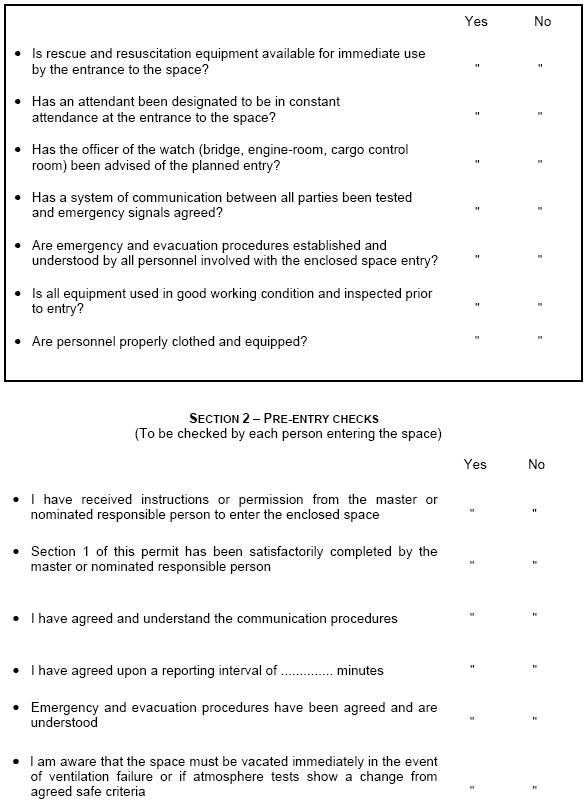
Enclosed Space Entry Permit:- This permit relates to entry into any enclosed space and should be completed by the master or responsible person and by any persons entering the space, e.g. competent person and attendant.


Precautions to be taken prior, during and after entering enclosed space:

Before EntryAll parties to discuss the job to be done in the space: What are the hazards of the space and how can they be controlled?What are the hazards of the job and how can they be controlled? ย 
Risk assessment: Document the hazards and necessary safety measures and controls. ย 
Secure the space: Empty the space if necessary and take steps to prevent the space filling up:Lock out valves and pumps and Place notices forbidding their operation. Is the space adjacent to other tanks, holds, or pipelines which if not secure could present a danger? ย 
Ventilate: Allow sufficient time for the space to be thoroughly ventilated naturally or mechanically. Guard any openings against accidental and unauthorized entry. ย 
Test: Test the atmosphere in the space for oxygen content and the presence of flammable and toxic gases or vapours. Do not enter until the atmosphere has been determined to be safe. ย 
Permit โ€“ complete an enclosed space entry permit to work, confirming that: The hazards of the job and of the space have been dealt with. The atmosphere in the space is safe and ventilated. The space will be adequately illuminated. An attendant at the entrance has been appointed. Communications have been established between bridge and entry point, and entry. Emergency rescue equipment is available at the entrance and there are sufficient personnel on board to form a rescue party. All personnel involved are aware of the task and the hazards, and are competent in their role.
During EntryEnsure the space is suitably illuminated.
Wear the right PPE.
Continue to ventilate the space.
Test the atmosphere at regular intervals.
Communicate regularly.
Be alert, and leave the space when requested or if you feel ill.
After EntryEnsure all equipment and personnel are removed from the space.
Close the access of the space to prevent unauthorized entry.
Close the entry permit.
Reinstate any systems as appropriate.

Posted on

Chief Mate Orals Syllabus

FUNCTION 1 – NAVIGATION

A) BRIDGE TEAM MANAGEMENT

  1. Voyage planning and Navigation for various conditions such as in restricted Waters/ Meteorological conditions / Ice / TSS / Restricted visibility / Gross of extensive tidal effect / Ship routeing and reporting systems criteria.
  2. Position determination in all conditions by celestial terrestrial observations. Various publication of modern electronic aids with knowledge of principles / error / corrections etc. Knowledge of principles of Magnetic / Gyro / Compass and Master Gyro Systems and care of all other navigation equipments on the Bridge.

B) TRAFFIC MANAGEMENT

  1. Thorough knowledge and addition of collision Regulations / Buoyage system.
  2. Thorough knowledge and application of the principles to be observed in keeping an effective navigation watch (Senior Officer Duties).
  3. Assist Master with Command decision-making situations on bridge.

C) WEATHER MANAGEMENT

  1. Ability to understand and interpret synoptic chart to forecast area weather taking into account local weather conditions and information received by Weather Fray and Weather Routing.
  2. Knowledge of characterizes of various weather systems including TRS avoiding actions in storm centers/ dangerous quadrants.
  3. Knowledge of ocean current systems / tidal calculations / publications relating to this.

D) CRISIS MANAGEMENT

  1. Handling of various emergencies beaching, grounding collision / assessment of damage control / emergency steering / emergency towing arrangements and towing procedures.

FUNCTION 2 โ€“ CARGO HANDLING & STOWAGE

  1. GENERAL
  2. Knowledge of cargo related terminology / load destiny / stowage factor / angle of repose and various plans used for cargo loading.
  3. Knowledge and applications of international Regulations, Codes concerning safe handling, stowage, securing and transport of cargoes.
    Examples:-

Bulk Codes, Grain Code, Lashing Code, IMDG Code, Timber Code, ISGOTT, etc.

  • Use of stability and trim diagram and stress calculating equipment including Automatic data based equipment hull, stress calculation within acceptable limits.
  • SPECIALISED CARGO STOWAGE
  • Knowledge of Oil / Chemical / LPG / Tanker Operations relating to ship operation, care of personnel and Stowage Tanker (various types of chemicals as per chemical code), LPG (various types of gases as per gas code).
  • Carriage of IMDG / Dangerous, Inspection, Hazardous and harmful cargoes.
  • TRANSIT CARE:
  • Precautions during loading and unloading and care during voyage of said cargoes.
  • DOCUMENTS
  • Knowledge and application of various cargo related documents such as stowage plan, shipping list, boat note. Mateโ€™s receipt, B/L, shipping documents, DG Manifest.
  • Documents with regard to cargo claims, disputes, damage etc., note of protest and knowledge of collection of evidence.
  • CRISIS
  • Contingencies plan / remedial action during loading / unloading of cargoes.

Example:-

Cargo Gear Breakdown / Power failure / Oil Spillage, Bilge Leakages into hold with cargo, concentrates becoming liquids.

FUNCTION 3 โ€“ OPERATION AND CARE OF PERSONNEL

  1. GENERAL โ€“
  2. Definitions of Operation / Environment Protection.
    1. Knowledge of fundamental principles of ship construction, various ships plans/ manuals used for operation ballasting and de-ballasting deck machinery.
  3. Statutory Certificates requirements and their validity including various documents relating to Official Log Book, Oil Record Book, Chain Register thorough knowledge of Dock Labour regulations.
  4. Knowledge and application of Articles of Agreement and other Biparty / Triparty Agreements on board Indian Foreign Ships. Knowledge of provisions for indiscipline on board under various Rules / Regulations.
  5. Knowledge of ISM / STCW 95 Code relating to the duties of Chief Mate.
    1. Knowledge of statutory certificates/ class / port state control / flag state / damage etc., surveys and inspections.
  • MAINTENANCE MANAGEMENT โ€“
  • A thorough knowledge of LSA / FFA and L & SS (Screening of Navigation Lights) Regulations / Organization of Drills and maintenance of these appliances under SOLAS.
  • P.M.S. for hull deck machinery, accommodation emergency / steering gear and anchor cable.
  • Knowledge of Personnel Management, Organisation and Training on board as head of Deck Department.
  • EMERGENCIES โ€“
  • Knowledge of occupational hazards on ship, crew welfare, social responsibility. In accordance with code off safe working practice for merchant seamen.
  • Preparation of contingency plans for response to various emergencies:-

Fire, Explosion, Collision or Grounding, Cargo Shift, Flooding, Foundering, Privacy and Pilferage.

Procedures for use of those equipments including slipping of cables, foul anchor, foul cable, anchor dragging and ground tackle.

  1. Brief knowledge on manoeuvring of ships in Rivers & Harbours / Berthing alongside under various conditions without Tugs.
  2. Management of ships in adverse situation at Sea. Heavy Weather duties / Handling of disabled ship.
  3. Preparation of Dry-docking / undocking. Use of shores, Bilge blocks and Bilge shores.
  4. Measures to be taken to prevent the spillage of oil during cargo work. Bunkering of oil transfer. The keeping of records under the M.S. (Prevention of Pollution of the Sea by Oil) Rules.
Posted on

Chief Mate Phase 2 Syllabus

1. BRIDGE WATCHKEEPING, SHIP HANDLING & EMERGENCIES

  • The content, application and intent of COLREG 1972.
  • Explain factors deciding the composition of the watch on the bridge.
  • Explain communication between chief engineer and Master in deciding the composition of engine room watch.
  • Master – Pilot exchange of information.
  • Explain IMO ship routeing guide.
  • Explain Manoeuvring in and near vessel traffic service (VTS) areas.
  • Describe muster list, assignment of duties to personnel, composition of emergency team, drawing of plansย to deal with heavy weather damage.
  • Describe excessive list, flooding, & bilging, fire in engine room, paint locker, cargo spaces, wheel houseย and galley, stranding, abandoning ship, spillage of noxious substances, piracy and armed robbery, collision.
  • Describe circumstances in which the vessel is to be beached.
  • Describe precautions to be taken prior to and after beaching and log book entries.
  • Explain actions to be taken if stranding is imminent and after stranding.
  • Explain discharging or transferring of weights on board to facilitate refloating.
  • Explain control of discharge of harmful substances.
  • Explain assessment of damage and control, refloating of stranded ship with & without assistance and log book entries.
  • Explain duties of Master following a collision or impairment of the water tight integrity of the hull as per SOLAS.
  • Explain duties of crew members to assist and muster passengers.
  • Explain precautions for the protection and the safety of passengers in emergency situations.
  • Describe boundary cooling, effect on stability of the vessel caused by use of water to mitigate fire.
  • Describe procedure for man entry, procedures for using fixed fire extinguishing system, procedure forย rescue of person/s from the space.
  • Abandoning Ship:-
    • Explain situations under which to abandon ship, procedure for abandoning a ship.
    • Explain preparation on ship prior abandoning a ship, duty of crew and passengers.
    • Explain distress call transmission until acknowledgement, mustering of crew and passengers.
    • Explain importance of mustering and carrying extra rations, EPIRB, SART and other resources such as blankets etc, Use of distress signal to attract attention, launching of boats and life rafts in heavy weather.
    • Explain steps for avoidance of false distress calls, cancellation of false distress alert calls, log book entries.
  • Emergency Steering Gear:- Explain change over bridge control to local control in the steering gear compartment, standard emergency procedures, need for proper communication.
  • Towing:- Explain the content of emergency towing booklet, emergency towing arrangements, procedure and tools for towing in good and rough weather conditions, Calculation of bollard pull and towing speed prior towage.
  • Search and Rescue:- Explain man overboard procedures, precautions in Manoeuvring the ship to be able to launch rescue boats in bad weather.
  • Explain contents of IAMSAR Manual Vol 3, various search patterns, role and duties of MRCC, RCC, OSC, recovering a person from the sea in heavy weather.
  • Explain action to take when a person is reported missing at sea, log book entries.
  • Emergencies in Port:- Explain actions to take when emergencies arises in port (at berth or at anchor) –
    • Fire, Pollution, Approaching Strom, Tsunami, Casualties, Personnel related accidents.
  • Piracy or armed robbery:- Explain best management practices (BMP), guidelines provided by Indian authorities. Explain IMB PRC (Piracy Reporting Centre), UKMTO (UK Maritime Trade Organisation), MSCHOA (Maritime Security Centre Horn Of Africa).
  • Manoeuvres:- 
    • Explain manoeuvres required when approaching a pilot vessel or station with, tide and current, Head Reach, stopping distance and rudder cycling.
    • Define shallow water, squat.
    • Explain how squat is dependent on speed of the vessel, block coefficient and the width of the channel.
    • Explain reduction in under keel clearance resulting from rolling and pitching and heel or list.
    • Explain how to round bends in a channel with a current in either direction, taking account of the effect of wind, use of an anchor to assist in rounding a bend, how to turn short round in a narrow channel, with or without a wind and current.
    • Calculate the approximate sinkage due to squat.
    • Describe use of constant rate of rate and constant radius turn in restricted waters.
  • Berthing and Unberthing:-
    • Describe the effect of right and left handed propellers on Manoeuvring, the use of twin screw of Manoeuvring, the advantage and disadvantage of controllable pitch propellers with regards to ship handling.
    • Describe the use of lateral thrusters (bow & stern), how an anchor or anchors may be used to assist in manoeuvring, the different ways in which tugs may be made fast and used.
    • Explain pivot point and girding of tugs.
    • Describe the interaction between a ship and nearby banks (bank cushion and bank suction).
    • Describe the interaction between ships when meeting end-on.
    • Describe the interaction between ships in an overtaking situation.
    • Describe the particulars dangers of interaction when working close by other craft such as tugs.
  • Anchoring:-
    • Explain the procedures for anchoring with one or two anchors, factors for deciding the scope of the cable, swinging circle, procedures and precautions taken for anchoring in deep waters.
    • Describe running moor, Standing Moor, open Moor, Mediterranean Moor.
    • Describe actions taken when vessel starts dragging its anchor(s).
    • Describe how to slip anchor(s), foul hawse and methods to clear it.
  • Lighterage at sea:- Describe contents of ship to ship transfer guide, lighter age preparations for both vessels, Method of separating on completion of transfer operations.
  • Dry-docking:- Describe preparation of repairs list, Hull cleaning, inspection, blasting, painting, describe precautions before flooding the dock, Measurement of rudder and propeller drop, Ship’s plans, steel renewals and thickness measurements, floating Dry Dock, critical period.
  • Heavy Weather:- describe pooping, Broaching to, Synchronous rolling, Parametric rolling, Actions to take to minimize the effect of all these. Explain rolling period in sec.
  • Manoeuvring:- 
    • Define advance, transfer, tactical Diameter, Track reach, Stopping distance, Turning circle at various draughts and speeds.
    • Explain the effect of displacement, draught, trim, speed and under-keel clearance on turning circle and stopping distances. Effect of transverse thrust on turning circle of the ship with right/left handed propeller.
  • Ice Navigation:-
    • Define Solid, Soft, Drift and Pack Ice; Growler; Ice berg.
    • Explain procedure and precautions to be taken prior entering ice, contents of the Polar code, Master’s obligation to report dangerous ice, Cold weather precautions, freezing sprays and steps required to minimize same.
  • Bow wave and stern wave:- Explain damage to shore facilities due to excessive bow waves and stern waves, The effects of passing ships on ships moored alongside, precautions that should be taken by ships alongside to minimize the effect of passing traffic.

2. NAVIGATIONAL AIDS

Electronic System Of Position Fixing

  • GPS:-
    • Explain working principle, system configuration and frequencies used.
    • Describe C/A and P code, How position is determined, contents of navigation message, various DOP’s used, Errors and alarms of GPS, accuracy obtainable with GPS and how accuracy can be downgraded.
    • WGS 84 datum- why GPS position cannot be directly plotted on the navigational chart, Datum shifts, working principle of DGPS and its limitations, Dangers of over reliance on satelite derived positions, IMO Performance Standards.
    • Brief outline of GLONASS and GALILEO.
  • AIS:- 
    • Explain purpose of AIS, limitations of AIS, Precautions during use of AIS for collision avoidance, Pseudo AIS.
    • Describe the principle, frequencies used, types of messages and time intervals, information displayed on AIS screen, IMO performance standards.
  • VDR/SVDR:- 
    • Explain purpose of VDR, duration of data storage, modules of VDR, saving and retrieval ofย data in case if incidents and training purpose, IMO Performance Standards.
    • List data recorded on VDR and SVDR.
  • LRIT:-
    • Explain purpose of LRIT, data transmitted by LRIT, authorized receivers of data.
    • Describe diffence between LRIT and AIS.
  • BNWAS:- Explain Performance standards for BNWAS.
  • Rate of Turn Indicator (ROTI):-
    • Describe procedure to executed a constant radius turn with or with out current.
    • Explain the need to monitor the turn, Methods of monitoring the turn, IMO performance Standards.
    • Radar plotting exercises with three targets and current and taking action to avoid collision as per Collision Regulations. (more info)
  • Echo Sounder:-
    • Explain basics principle, Effect of density, temperature and pressure on velocity of sound and the limits in which the true value may lie.
    • Describe Ranging and Phasing, Inaccuracies of equipment, scale error and measures to eliminate them.
    • Describe false echoes, errors due to Trim, List & positioning, Various alarms and settings, IMO performance standards. (more info)
  • Speed Log:- Explain the differenceย between ground reference and water reference speed. IMOย Performance Standards.ย 
  • Doppler speed log:- Describe principle, Janus configuration, Dual axis configuration and its uses duringย docking operations, calibrations of the log, the limitations, the errors of doppler log.
  • Course Recorder:- Explain setting of course Recorder, Information to be recorded on the courseย recorder by the operator, alarms of course recorder.ย 
  • Auto Pilot:-
    • Explain the principle, Various setting of the auto-pilot for optimal performance, theย procedures and factors to take into account for change over, Adaptive automatic pilot systems and itsย functions, various alarms.
    • The need for regular checking and test of auto pilot, The regulations regarding the use of auto pilot.
  • Magnetic Compass Error and Correction:-
    • Explain earth as a magnet, Ship’s permanent magnetic fieldย components P, Q and R, Induced Magnetism, Principles of Magnetic compass, Method of compensatingย effect of P,Q and R, Method of compensating effect of induced magnetism, why a deviation curve made in one hemisphere and position cannot be used in the other hemisphere.
    • Describe method of obtaining table of deviation/ deviation curve.
  • Gyro Compass Error and Corrections:- 
    • Calculate error on gyro compass givenย latitude, speed, courseย steered and ratio between control and damping process.
    • List the equipment getting heading inputs from gyro compass, outline the performance standards of gyro compass. 

3. GENERAL ENGINEERING KNOWLEDGE

  • Marine Engineering terms:- Define Mass, Force, Work, Power, Energy, Stress, Strain, Heat, Efficiencyย of a machine, Indicated power, Propeller power and thrust.
  • Fuel consumption:-
    • Define Admiralty coefficient, Fuel coefficient, Thermal Efficiency, Specific Fuel Consumption.
    • Explain effect of condition of hull, tips of propeller on fuel coefficient, fuel consumption and propeller efficiency.
    • Describe Indicator diagrams and the information obtained.
    • Calculate Power output from indicator diagrams,ย Daily consumption at service speed, bunker fuel requiredย for the voyage, speed for a given daily consumption, speed required to complete a voyage with givenย consumption.
  • Auxiliary Boiler:-
    • Describe water tube boiler, fire tube boiler, exhaust gas boiler, importance ofย maintaining correct water level and function of safety valve.
    • Distinguish between water tube and fire tube boiler, describe the procedure of flashing the boiler from cold.
    • Effect of salts in boiler feed water and procedure for treatment of feed water.
  • Distillation and fresh water system:- Explain with sketch as necessary principle of operation of a lowย pressure fresh water generator, Principle reverse osmosis, Hydrophore system for domestic water supply,ย drinking water treatment.
  • Pumps and pumping systems:-
    • Describe with sketch the principle of working of reciprocating pump/ Gear pump/ Screw pump/ Centrifugal pump, Fire pumps, Emergency fire pump and its pumping arrangement.
    • Describe typical bilge system of a ship, typical ballast system of a ship.
  • Steering Gear:-
    • Describe with sketch ram type hydraulic steering gear, rotary vane steering gear,ย Electrical steering gear, tele motor system, Fail safe arrangement.
    • State IMO requirements for auxiliary steering gear, IMO requirement for testing steering gears,ย requirements for emergency control.
  • Generator, Alternators and electrical distribution:-
    • Explain operation of an alternator, electricalย distribution systems, use of circuit breaker & fuses, Procedure for maintenance of batteries, operation ofย emergency compressor, purpose and operation of purifiers.
    • Describe with sketch, Navigation light circuit with indicators/ alarm and alternative power supply.
    • List services to be supplied from Emergency generator, Describe procedure for starting emergency generator manually.
  • Refrigeration, air-conditioning and ventilation:-
    • State properties of a refrigerant.              
    • Describe with sketch simple refrigeration cycle for domestic refrigeration and cargo spaces.
    • Working principle of air conditioning plant.
  • Stabilisers:- Describe construction and operation of fin stabiliser.
  • Sewage treatment plants:- Describe with sketch operation of chemical and biological treatment plant.
  • Oily-water Separators and oil filtering equipment:- Describe with sketch construction and operation ofย oily water separator and ODMCS.
  • Incinerator:- Draw block diagram for the operation of a waste incinerator.
  • Deck machinery:-
    • Explain advantages and disadvantages of steam, electric and hydraulic drive for winches.
    • Describe routine maintenance including lubrication of deck machinery, Describe with sketch windlass drive system. 
  • Hydraulic system:-
    • Describe Hydraulic accumulator, ram and rotary vane actuators, common failures of system and remedial measures.
    • State necessity for cooling/ heating of hydraulic oil.
  • Diesel Engines:-
    • Describe working principle of two stroke and four stroke internal combustion engines.
    • Compare and contrast, Two stroke and four stroke internal combustion engines.
    • Explain causes of Scavenges fires and remedial actions, Causes of Crankcase explosions, super charging.
    • Describe preparation of diesel engine for Standby mode, procedure for starting and reversing.
    • State number of starts is limited by capacity of starting air reservoir.
    • Draw a block diagram of fuel oil system from bunker tank to injection, lubricating oil system, cooling water system.
  • Steam turbine system:-
    • Explain working principle of, impulse turbine, reaction turbine.
    • Describe steam turbine and its bearing, procedure for warming through a steam turbine for manoeuvring,ย procedure for manoeuvring using a steam turbine (forward & astern).
  • Propeller and propeller shaft:-
    • Define pitch, slip and efficiency of a propeller.
    • Calculate percentage apparent slip, real slip, Ship’s speed given rpm, mean pitch and percentage slip,ย Indicated power, haft power, delivered power and effective power.ย 
    • Explain how propeller thrust isย transmittedย to the hull, how propeller shaft is supported, how propeller is secured to tail shaft.
    • Describe operation of a controllable pitch propeller.
  • Bridge Control:-
    • Describe with block diagram of control systems for main Engine and bridge control of controllable pitch propeller.
    • List indicators and alarm provided with bridge control, indicators for lateral thrusters.
    • Explain arrangements and operation of lateral thrusters, main engine starting arrangement, purpose of turbocharger and need to control rpm whilst carrying out turbocharger washing.
  • Engine room watch keeping:-
    • Describe arrangement necessary for appropriate and effective engineeringย watches to be maintained for the purpose of safety under normal circumstances and UMS operations.
    • Describe arrangements necessary to ensure a safe engineering watch is maintained when carrying dangerous cargo.

4. MARITIME LEGISLATION

  • Introduction to Maritime Law.
  • Law of the Sea (UNCLOS):- Define (as per THE TERRITORIAL WATERS, CONTINENTAL SHELF, EXCLUSIVE ECONOMIC ZONE AND OTHER MARITIME ZONES ACT, 1976 as amended) Territorial sea and the contiguous zone, exclusive economic zone and continental shelf, International straits, High seas.
  • International Convention on Load Lines, 1966:-
    • Describe requirements for initial and periodical surveys, requirements for periodical inspections.
    • List fittings and appliances to be inspected, circumstance in which LLC would be cancelled, contents of record of conditions of assignment of freeboard.
  • International Convention for the Safety of Life at sea, 1974 as amended (SOLAS):-
    • Describe procedure for testing of ship’s steering gear, change over procedure for remote steering gear, requirements for emergency steering drills, general requirements for carriage of navigational equipments.
    • List the chapters of SOLAS and brief outline of the contents as covered therein, log book entries to be made regarding steering gear and emergency drills, the amendments to SOLAS (within last three years).
  • International Convention on Standards of Training and Watchkeeping for Seafarers, 1978 (STCW) as amended:-
    • Explain 2010 Manila amendments to STCW 78.
    • Explain Aims, objectives and general provisions of the Convention for the suppression of unlawful act against the Safety of Maritime Navigation 1988 as amended.
    • Explain Aims and objectives of the regulations, ITU Radio Regulations.
    • Explain contents and purpose of MARPOL, OPA – 90, National Pollutant Discharge Elimination system (NPDES) of the U.S Clean water Act.
    • Explain particularly sea sensitive areas, discharge provisions for oil and oily waste from machinery spaces outside special areas and within special area.
    • Describe content of SOPEP, Vessel Response Plan (VRP), Notification procedures as per SOPEP and VRP.
    • Describe Entries to be made in OIL Record Book (Part 1, Machinery Space Operations) and Part ll (cargo and ballast operations).
    • Describe need to maintain records, contents and validity of IOPP certificate and annexures.
    • Explain contents of MARPOL Annex ll, Chemical discharge criteria in special and other areas, need to maintain records, entries to be made in cargo record book for chemical cargoes, SMPEP.
    • State notification procedure for loading/unloading harmful substances as per MARPOL Annex III.
    • Explain discharge criteria for Sewage (Annex lV), Holding tanks, Nearest land, Contents and validity of 
        ISPP certificate and annexures).
    • Explain (with regards to annex V) special areas, discharge criteria, Garbage management plan, entries in Garbage record book, need for maintaining records.
    • Explain (with regards to ballast water management):-  Ballast water management plan, need for maintaining 
        records, ballast water management convention.
    • Describe (with regards to Annex lV) SECA (Sulphur Emission Control area), Volatile Organic Compounds (VOC) managements plan, Contents and validity of IAPP certificate and annexures.
  • London Dumping Convention (LDC):- Define dumping, waste or other matters, special permit and general permit. Explain Aims of the convention.
  • Intervention convention:- Define Maritime casualty, Related Interests. Describe the rights of parties to 
      intervene on high seas.
  • Civil Liability convention (CLC) and Fund Convention:- Define Pollution damage, Incident. State Exceptions to liability & Limitations to liability. 
  • Oil Pollution Preparedness, Response & Co-operation Convention (OPRC) as amended (OPRC –  HNS Protocol):-
    • Explain Aims, objectives and general provisions of the convention.
    • Explain reporting incidents. Explain need for prompt reporting & probability of discharge.
  • Passengers:-
    • Explain special trade passenger ships agreement, protocol and rules on space requirements for special trade passenger ships, 1973, General provisions of Athens Convention relating to the carriage of Passengers and their luggage by Sea.
  • International Convention On Tonnage Measurement of Ships, 1969 as amended:- Define Gross Tonnage, net Tonnage, Excluded space. List the information available in International Tonnage Certificate.
  • ILO Maritime Labour Convention (MLC) – 2006:- 
    a) Minimum requirements for seafarers to work on ships: minimum age, medical certificates, training and qualification, requirements and placement.
    b) Conditions of Employment: Seafarers Employment Agreements, Wages, Hours of Work and Hours of Rest, Entitlement to leave, Repatriation, Seafarer compensation for the ship’s loss or Foundering, Manning Levels, careers and skill development and opportunities for seafarer’s employment.

c) Accommodation, Recreation Facilities, Food and Catering.
d) Health Protection, Medical Care, Welfare & Social Security Protection: Medical care on-board ship and ashore, Ship-owners Liability, Health & Safety Protection and Accident Prevention, Access to Shore-based Welfare Facilities, Social Security.

e) Compliance and Enforcement.

i) Flag State Responsibilities: General Principles, Authorization of recognized Organizations, Maritime Labour Certificate and Declaration of Maritime Labour Compliance, Inspection and Enforcement, On-board Complaint Procedures, Marine Casualties.
ii)  Port State Responsibilities: Inspection in port, Detailed inspection, Detection, On-shore Seafarer Complaint, Handling Procedures.
iii) Labour supplying Responsibilities: Recruitment and Placement services, Social security provisions. (more info)

  • International Health Regulations (IHR):-
    • Define Arrival of Ship, Baggage, Container, Crew, Epidemic, Free pratique, In quarantine, International voyage.
    • Define Requirements of Ship Sanitation/ ship sanitation Exemption Certificate, Masterโ€™s obligation concerning maritime declaration of health.
  • Convention on facilitation of International Maritime traffic, (FAL 1965):-
    • State the purpose of the convention, IMO Standard forms for general declaration, cargo declaration, ship’s and crew effect 
        declaration, crew list and passenger list.
    • List the documents for arrival or departure of ships.
    • Explain Standard and Recommended practices regarding documentation under FAL convention.
  • Noting protests:- Explain note of protest, conditions in which Note of Protest is to be filed, Extended  Note of Protest.
  • Collision:- Describe duties of Master after collision, Explain apportionment of Liability, State convention applies where even no collision has taken place.
  • International Salvage Convention:-
    • Define salvage, Vessel, Property. Describe No cure- No Pay principle, Application of convention, Duties of Salvor, Owner and Master, Right of Salvor.
    • Explain criteria for assessing reward, criteria for assessing special compensation (SCOPIC Clause), Apportionment of the remuneration.
    • Explain The contents and clauses of Lloyd’s Standard Form of Salvage Agreement (LOF).
  • Convention on Limitation of Liability for maritime Claims:-
    • State scope of application of convention.
    • List persons entitled to limit liability, claims subject to limitation of liability, claims exempted from limitation, circumstances in which limitation would be barred.
    • Describe constitution of a limitation fund.
  • Classification Societies:-
    • State the role of IACS, Repairs/ Alterations must be carried out under surveys and to satisfaction of class. Explain reasons for having ship’s classed, special survey requirements, role of classification society.
    • State that periodical surveys ard annual surveys, dry docking, intermediate and special surveys. 
  • Cargo:-
    • Define carrier, contract of carriage, goods, ship and carriage of goods.
    • List Duties of Carrier, Information to be shown on Bill of Lading, Exceptions to carrier’s responsibility for loss or damage.
    • Explain Bill of Lading as evidence of contract, Shipper’s responsibility for loss or damage, Limitations of Liability.
    • Describe Scope of application of convention, system of documentary credit.
    • State Right to Deviate, Burden of proving due diligence is on the carrier.
  • Charter-Parties:-
    • State Charter party is a contract, charter party drawn using standard forms.
    • Explain Voyage Charter party, Time Charter party, Demise or Bare boat charter party, Tonnage contract or Contract of Affreightment.
    • Explain (with regards to Hamburg Rules) Effect of charges for goods carried under hamburg rules.
      – The York-Antwerp Rule:- Define General Average Act and general Average Sacrifice. 
    • Explain duties of Master in GA, Rights to contribution in GA.
    • Marine Insurance:- Explain purpose of Marine Insurance, Insurable interest, Utmost good faith, Misrepresentation or non-disclosure, Warranty, Deviation, Institute clauses, Particular Average, Subrogation, Partial loss, Total loss, Constructive total loss, Functions of P and I clubs. Risks, liabilities and expenses by P and I clubs.
    • Describe voyage policy, time policy, floating policy, perils covered in insurance.
    • List Certificate carried on board ships by International conventions and their periods of validity. Documents to be carried on board.
    • General provisions of Merchant Shipping Act and brief outline of Rules made there under.

5. SHIP CONTRUCTION

  • Define tensile Strength, ductility, Hardness, Toughness, Yield Point, Ultimate tensile stress, Modules of Elasticity, Stress/Brittle/Fatigue Fracture, Mild steel, Strain.
  • Explain with Stress and Strain curve.
  • Explain Advantages of use of aluminum alloys, Use of higher tensile steel and hazards associated with them.
  • How aluminum superstructure strength is preserved. 
  • List examples where castings or forgings are used.
  • State Ship building steel is tested, graded and stamped with approval marks.
  • Describe Precautions against corrosion where aluminum is connected to steel work.
  • Explain General layout of a ship yard and co-operation between departments with block diagrams.
  • Describe and sketch sheer plan, half breadth plan, body plan.
  • Describe various tests for ship building steel.
  • Explain conditions of Assignment of freeboard.
  • Define Margin line, Forward and aft perpendicular, LBP, Sub divisional load lines, minimum bow height, factor of sub-division, Garboard and Sheer strake.
  • Explain Multiple load lines, Type A and Type B ships.
  • List Items to be inspected during annual, periodical and renewal surveys.
  • Explain Gross tonnage, Net tonnage, Exclude spaces, Enclosed spaces.
  • Calculate Gross tonnage, Net tonnage.
  • Explain Floodable length, permissible length and sub division load line.
  • Explain Types of bulkheads and standard fire tests.
  • Sketch and label mid ship section of following ships: general cargo ship, cellular container ship, hatch cover less cellular container vessel, Bulk carrier, Double hull oil tanker, Chemical tanker, LPG carrier, LNG carrier, OBO vessel, Ro-Ro Vessel.

6. SHIP STABILITY

Moment of Inertia calculations:-

  • Explain Theorem of parallel axis.
  • Calculate Moment of Inertia of Rectangular and curvi-linear surface (using vertical or horizontal ordinates) about a stated axis.
  • Calculate BMand BMof a ship given ordinates of water plane area, KM of a vessel in a floating dry-dock after taking to the blocks.
  • Thrust due to liquid pressure:- Define Centre of pressure and Thrust.
  • Calculate Centre of pressure and thrust of rectangular and curvi-linear surface (using vertical or horizontal ordinates) at a stated liquid level.
  • State (i)  GZ = GM sin 0 for angles of heel up to 10
              (ii) GZ =  (GM + ยฝ BM tan20) sin 0 for angles of heel greater than 10
              (iii) BM = i/V 
              (iv) KM = KB + BM
  • Define Rolling period.
  • Explain Procedure to determine Ship Stability by means of rolling period test, Limitations of the Rolling period test.
  • Calculate approximate GM by means of rolling period tests.
  • Explain procedures of carrying out inclining test and calculation of KG.
  • Describe procedure to determine initial KG of the ship by Inclining Test, procedure to be taken while carrying out Inclining test. Calculate Initial KG given inclining test data.
  • Recommendation on intact stability for passenger and cargo ships (IMO Intact Stability Code 2008):
  • Explain precautions against capsizing, intact and damage stability criteria for passenger and cargo ships.
  • Stability information available in hydrostatic tables.
  • Describe IMO severe wind and weather heeling criteria, Heel while turning.
  • Explain effect of GM on rolling, effect of draught and displacement on rolling, function of bilge keels, anti-rolling tanks and stabilizer fins to reduce the amplitude of rolling.
  • Explain conditions under which parametric or synchronous rolling occurs.
  • Explain Parametric rolling and action to be taken to mitigate. Synchronous rolling and actions to be taken to mitigate.
  • Explain Shear force, bending moment Load, How wave profile effects shear force and bending moment.
  • Explain Wave and cargo induced Torsional stress, Maximum Permissible Torsional moments.
  • Calculate Shear force and bending moments, at stated stations.
  • Draw Shear forces and bending moment curve for above calculations.
  • Explain Margin Line, Permeability of a space and cargo.
  • Explain Loss of Buoyancy of a bilged compartment = volume regained, how area of intact water plane is reduced, Effect of flooding on transverse stability.
  • Calculate stability of the ship after bilging of a mild ship compartment, List of the ship after bilging of a mild ship side compartment (with or without permeability). (All calculations to be based on box shaped vessels).
  • Explain effect of flooding on trim.
  • Calculate Final Fore and Aft drafts after bilging of end/ intermediate compartments (with or without permeability).
  • Calculate Stability of the ship after bilging of end compartments (with or without permeability).
Posted on

Chief Mate Phase 1 Syllabus

Navigation

Practical Navigation

  • Describe ocean passages for the world and sailing directions.
  • Routeing charts and routeing in accordance with general provisions of ship’s routeing.
  • Reporting procedures in accordance with general principles for ships reporting system and with VTS procedures.
  • Planning navigation and plotting courses taken into account restricted waters,ย meteorologicalย conditions,ย Ice, Restricted visibility, Trafficย Separationย Scheme, vessel traffic services (VTS)ย areas and areas ofย extensive tidal effects.
  • Explain various stages of passage planning (Appraisal, Planning, Execution and Monitoring)
  • Define Current, Leeway, Tidal stream, Set, Drift.
  • Explain effect of wind and current and determine course and distance made good.
  • Explain course to steer allowing for tidal stream or current or wind.
  • Explain how to determine distance off by Vertical Sextant Angle.
  • Determine position by bearing and range (Exercise).
  • Determine position by plotting astronomical position lines (Exercise).
  • Transferring of position lines (Exercise).
  • Determine position by running fix with leeway and current (Exercise).
  • Plan a passage between two ports from berth to berth using the procedure for passage planning (Exercise).
  • Ability to use appropriate charts, publications, errors in position lines and notice to mariners.
  • Explain how errors may occur in position fixing and how they are minimized.
  • Chart correction and other nautical publications including T&P notices using Notice to Mariners and corrections using tracings (Exercise).
  • Mercator Sailing (Exercise).
  • Explain Spherical triangle, Napier’s Rule, how to transfer GC course to Mercator chart.
  • Describe Gnomonic, Mercator, Transverse Mercator and Universal Transverse Mercator Projections.
  • Calculate Position of vertex of GC track, Initial course, Final course and distance with the stated limiting latitude.

Celestial Navigation 

  • State Kepler’s Laws of motion. 
  • Define civil, nautical and astronomical twilights.
  • Explain conditions necessary for twilight all nights, continuous day light or continuous darkness.
  • Explain influence of latitude on duration of twilight.
  • Explain relationship between time and longitude.
  • Explain relationship between tome and hour angle.
  • Explain magnitude of stars.
  • Explain how to identify stars by star charts and star finder.
  • Calculate Time of meridian altitude of sun.
  • Calculate position lines by means of observation of sun, planet and stars including pole stars.
  • Calculate stars suitable for observation in the twilight period. 
  • Calculate position based on staggered / simultaneous observations.

Meteorology 

  • Explain diurnal variation of temperature, relative humidity, Lapse rate, adiabatic change, Diurnal variation of pressure, geostrophic wind, Gradient and cyclostrophic winds.
  • Describe Characteristics and location of doldrums, ITCZ, Trade winds, Westerlies, polar   easterlies, and sub-tropical oceanic highs.
  • Explain general description of surface temperature and surface current.
  • Describe characteristic and weather associated with various types of clouds, characteristic and weather associated with various air masses, cause of global warming.
  • Depletion of ozone layer, Accumulation of greenhouse gas.
  • Describe effect of global warming – change in weather pattern, melting of ice cap.
  • Explain region and seasons of greatest frequency of TRS.
  • Explain local nomenclature of TRS.
  • Explain Condition associated with formation of TRS.
  • Explain factors affecting movement of TRS.
  • Explain factors associated with decay of TRS.
  • Describe characteristics of TRS.
  • Describe signs which give warning of an approaching TRS.
  • Describe messages required to be sent as per SOLAS.
  • Sketch and describe typical and possible track of TRS.
  • Sketch and describe cross section through a TRS showing areas of cloud and precipitation.
  • Sketch and describe plan of TRS showing isobars, wind circulation, track, path, eye, trough line, dangerous semi-circle, dangerous quadrant and navigable semi-circle for both hemispheres.
  • Explain reason for naming dangerous hemi circles.
  • Explain Method determining in which sector of TRS a ship is situated.
  • Explain method of determining vertex of a TRS.
  • Explain Correct avoidance procedure when in the vicinity of TRS.
  • Define family of depressions, trough, anti-cyclone, ridge, col
  • Sketch and describe structure of typical frontal zone, warm front, cold front, line squall.
  • Explain frontogenesis, frontolysis, Occlusion, weather associated with cold front, warm front, line squall and ITCZ, formation of frontal and non frontal depressions.
  • Sketch and Describe distribution of weather in a depression, isobars and wind circulation in a depression, cross section through warm and cold occlusions, synoptic pattern of anti-cyclone, synoptic pattern of ridge, synoptic pattern of col. 
  • Explain synoptic and prognostic charts along with their use, interpreting isobaric patterns and codes on a synoptic weather chart.
  • How to determine geostrophic and surface wind speed from the charts.
  • Explain purpose of maritime forecast code.
  • Explain data given by MARFOR.
  • List information given in wave chart, ice chart, weather fax charts and shipping forecasts.
  • Explain drift current, gradient current, upwelling current.
  • Explain general patterns of surface water circulation, principle individual currents and their names.
  • Explain information available on current rose.
  • Explain vector mean current, current data present in current atlases and routeing charts.
  • Describe use of data available from all of above for passage plan.
  • Describe Characteristic and weather associated with various ocean currents.
  • Define wave, significant wave height, average wave height, fetch, swell.
  • Explain importance of wind forces, duration, fetch in formation and growth of waves, the method of estimating wave height and wave period, factors affecting wave height and direction, information available from wind rose, the method of estimating wave length of the wave.
  • Define ice tongue, ice shelf, pack ice and fast ice.
  • Explain formation of sea ice, formation of ice bergs from floating glaciers, ice shelf’s and characteristics of each.
  • Explain normal season and probable tracks of bergs from origin to decay (North Atlantic Only), outer limit of area in which ice bergs may be encountered.
  • Explain reason for decay of ice bergs, areas affected by sea ice, Precautions to be taken when navigating near ice.
  • Explain purpose, duties, and responsibilities of International ice petrol, freezing spray and actions to minimize the effect.
  • State signs which may indicate proximity of ice on clear days and nights, the range at which observer may expect ice visually in varying conditions of visibility.
  • State limitations of radar as a means of detecting ice.
  • Describe factors which may give rise to ice accretion, use of mariners hand book to estimate the rate of ice accretion, method of reducing ice accretion, report to be made under international conventions when ice is encountered.
  • List informations in radio messages reporting dangerous ice, conditions leading to ice accretion.
  • List different types of ice, ice bergs, limits of ice bergs, accumulation of ice on ships.
  • Describe information of current, wind and ice to select an optimum route, use of wave chart to select the best route, weather routeing services available to shipping.
  • Describe climatological routeing, optimum (least time routeing), data presented in sailing directions and mariner’s hand book, construction of ship’s performance curves.
  • Explain routeing charts, tide tables, current and tidal stream atlases.

Cargo Handling & Stowage

Dry cargo

Timber Cargo

  • Explain contents of code of safe practice for ships carrying timber deck cargoes, stowage and securing of deck timber cargoes.
  • Explain hazards involved with the carriage of deck timber cargo, need for regular inspection of lashing arrangements.
  • Explain need for controlling height of deck cargo, need for provision of walkways and access to the top of the cargo.
  • Describe action if cargo is lost overboard, stability criteria to be fulfilled, rolling periodย test for determining ship’s stability and limitations of the method.


Container

  • Explain types and marking of containers, bay plans and stack weight, anti-heeling tanks, torsional stress, lashing and securing of containers, container code.
  • Describe procedures for loading and carriage of refrigerated containers.

Car carriers and Ro-Ro Ships

  • Describe stowage and arrangements of vehicles, procedures for loading and discharging of vehicles, procedure for lowering and hoisting of ramps, procedure for setting up and stowing retractable vehicle deck.
  • Describe procedure for opening and closing and securing hull openings, general precautions to be observed whilst working cargo.
  • Explain need to monitor atmosphere in ro-ro space.

Reefer ships

  • Define cooled, frozen and chilled cargoes.
  • Describe general outline of refrigeration system (vapour absorption and brine cooling), preparation of cargo space for carriage of refrigerated cargoes.
  • Describe Care, monitoring and records of cargo during voyage, Inspection of cargo and brine traps, general precautions to be observed whilst working cargo.
  • Explain load density, need for spreading of the load over an area, use of shoring, hazards and precautions while handling a heavy lift, method of securing heavy lift (below deckย andย above deck), need for adequate initial GM.
  • Describe Mate’s receipt, Bill of Lading, Charter parties, note of protest.
  • Prepare cargo plan given hatch dimension, stowage factor, load density, broken stowage.
  • Describe prepare cargo space prior loading, precautions to avoid crushing and chafing damage and state which cargoes are liable to be affected, how to protect cargoes which liable to freeze.
  • Describe Ship and Cargo sweat and need for ventilation, importance of and information available from code of safe practice for cargo stowage and securing, importance of and information available from cargo securing manual.
  • Describe securing arrangements of rolled steel, steel coils, steel plates, vehicle, containers, inspection and lightening of lashings, importance of log book entries.
  • Define competent person, authorised person, responsible person, loose gears, lifting appliances.
  • Explain contents of register for ship’s lifting appliances and cargo handling gears (chain register).
  • Describe duties of dock safety inspector.
  • State the requirements of guarding dangerous parts of the machinery.
  • Describe requirements for testing of lifting appliance and loose gears before they used for the first time, requirements for periodic thorough examination and inspection of cargo gears, annealing of loose gears, maintenance of wire ropes, blocks, shackles, hooks, sheaves, pulleys and slings.
  • Describe procedures to check weather tightness of hatch covers, securing of hatch pontoons, maintenance and use of side cleats and cross joint wedge mechanism.
  • Explain importance of clear drainage channels and drain holes, importance of compression bars and sealing gaskets, need to check hydraulic system for leakage.
  • Explain procedures for effective port watch keeping, the items to be checked regarding safety of life, cargo, property, environment and security during a deck watch, the circumstances in which to call Master, the items included in chief officers standing orders/night orders.
  • Knowledge of the limitations on strength of the vital constructional l parts of a standard bulk carrier and ability to interpret given figures for bending moments and shearing forces.
  • Outline and describe the common damage/defects that may occur on water tight transverse bulk heads situated at the ends of dry cargo holds of a bulk carrier.
  • State cracks may often be found at or near the connection of the stool of the transverse bulkheads and the tank top in bulk carrier having combination cargo/ballast tanks.
  • Action to be taken to avoid the detrimental effects on bulk carriers of corrosion, fatigue, and inadequate cargo handling.
  • Explain classification of IMDG cargo, use of IMDG code, MFAG, EmS, segregation table, precautions when handling dangerous goods, dangerous cargo manifest, inspections before loading dangerous goods, dangerous goods carried in containers, construction of magazine for carriage of explosives, limitations of carriage of explosives, compatibility of class 1 cargoes. 
  • Define angle of repose, flow moist point, transportable moisture limit, flow point, stowage factor, load density.
  • Describe preparations for holds for loading.
  • Explain purpose and objectives of IMSBC code, classification of cargoes as per IMSBC code, main hazards and precautions with the shipment of bulk solids (ore, urea, concentratessulphur, coal, HBI/DRI).
  • Explain documentation required prior loading, maximum allowable weight for single and adjacent holds, block loading, purpose and objectives of bulk carrier loading and unloading  (BLU) code, test for determining angle of repose and FMP on board, precautions to be taken prior entering cargo holds.
  • Define grain, filled and partly filled compartments, trimmed and untrimmed cargo.
  • Explain preparations of holds for carriage of grain cargoes, securing free grain surface inย partly filled compartment, use of shifting boards, document of authorisation, grainย loading stability criteria in detail, contents of grain loading stability booklet, methods toย reduce grain heeling moments in order to meet grain stability criteria.
  • Explain various hazards in carriage of dangerous goods, safety precautions during cargo operations.

Liquid Cargo

  • Define Crude oil, refined products, spiked crude, sour crude, reid vapour pressure, upper and lower flammable limits, pour point, flammability diagram, TLV, tanker arrangements (tanks, pump rooms, slop tanks, cofferdams, deep tanks), cargo piping system, cargo pumps.
  • Explain contents and application of the ISGOTT.
  • Define segregated ballast, clean ballast, dirty ballast, slop tank.
  • Describe with sketch inert gas system, PV valve, PV breaker.
  • Describe hazards involved in COW, cleaning, purging and gas freeing procedures, loading and discharging operations on a tanker.
  • List items of pre arrival check list, items of COW check list.
  • Explain the use of O2 analyser, Explosimeter, Tank scope, Draeger tubes.

Chemical Tanker

  • Define type 1, type 2 and type 3 chemical tankers.
  • Explain various categories (x,y,z, os) of cargoes, hazards associated with chemical cargoes and control measures, various types of tank coating, purpose and use of IBC and BCH code, purpose and objectives of P&A manual, equipment for evaluation of tank atmosphere, threshold limit value of product, odour threshold, informations available in cargo data sheets, with the aid of a simple diagram, a “closed circuit” loading operation using a vapour return line.
  • List items of pre arrival checklist, entries made in cargo record book.
  • Sketch and describe independent, integral, gravity and pressure cargo tanks, typical tank arrangements with piping.
  • Describe hazards involved with tank cleaning, use of slop tanks, cycle of a tank washing system, discharge criteria as per Annex II of Marpol 73/78.

Gas Tanker

  • Define type A, type B, type C tanks.
  • State each cargo tank is filled with high level alarm and auto shut off.
  • Explain purpose and objectives of IGC code, hazards of gas cargoes and control measures adopted, the terms boiling point, cargo area, cargo containment system, gas carrier, gas/dangerous zone, gas safe space, hold space, inter barrier space, MARVS, primary and secondary barrier, tank dome.
  • Explain various types of ships (fully pressurized, semi pressurized, fully refrigerated and semi refrigerated), various types of tanks (integral, membrane, semi membrane, independent and internally insulated tank), certificate of fitness, detection of cargo leakage through primary barrier).
  • Sketch and explain deepwell pump, re-liquefaction plant.
  • List contents of pre cargo checklist, fumigation information which should be supplied to the Master.
  • Explain reasons for the control of pest, International health regulations, precautions when the vessel is fumigated, how contact insecticides are used for dealing with local infestation, procedure to make man entry in the space after fumigation.
  • State vulnerable areas on ships requiring particular attention, permission to be obtainedย from port state an administrationย prior fumigation.
  • Calculate quantity of cargo loaded/ to load, discharge/ to discharge by draft survey (ship stability book), Quantity of cargo using ASTM tables, given density at 15 degrees centigrade in vacuum dimensions of the cargo space and ullage at observed temperature.
  • Using WRF, weight of cargo in tank, quantity of cargo / water by using wedges formula.

Ship Stability

  • State Simpson’s Rule 1, 2 and 3.
  • Calculate Areas, Volume, TPC, FWA using Simpson’s rule, Geometric centre of areas and volumes.
  • Explain the formula FSC= i / Vol
  • Explain i = lb3 / l2 for rectangular areas
  • Calculate free surface correction using formula and ship stability booklet.
  • Moment of inertia (i) of a tank using Simpson’s rules.
  • Explain maximum dead weight moment, minimum permissible GM, maximum permissible KG (diagrams/tables)
  • Explain use of diagrams of dead weight moment.
  • Explain LCG, LCB, effect of loading, discharging and shift of weight on LCG, effect of change in underwater volume on LCB, trimming moment, Moments required to change trim by 1 cm (MCTC).
  • Explain why BMis used instead of GMto determine MCTC, effect of change in density on MCTC.
  • Explain Trim=Trimming Moment/MCTC.
  • Explain Change in trim = change in draft forward + change in draft aft.
  • Explain use of trim tables.
  • State centre of floatation is centroid of water plane area, LCF is the tipping centre or the pivoting point about which the vessels changes her trim.
  • Change in Draft aft, Ta=(TcX  LCF)/LBP
  • Change in draft fwd, Tf=[TcX (LBP-LCF)]/LBP
  • Calculate quantity of cargo to be loaded /discharged/ shifted to produce a required trim.
  • Calculate final fwd and aft drafts, quantity of cargo to be loaded/ discharged to keep the fwd/ aft draught constant, quantity of cargo to be loaded/ discharged to reach desired fwd and aft draft, final trim, fore and aft draft using ship stability booklet.
  • Explain cross curves of stability and KN curves, how to determine GZ from cross/ KN curves, effect on GZ values due to shift of weights (vertical and horizontal curves), range of stability.
  • Describe effect of increased length, breadth and freeboard on the curve of statical stability.
  • Calculate angle of list resulting from transverse and vertical movement of weight using GZ curve, area under the GZ curve using Simpson’s Rules.
  • State statical stability requirements as per SOLAS, dynamical stability at stated angle of heel represents potential energy of the ship, potential energy is used in overcoming resistance to rolling and in producing rotational energy.
  • Explain intact stability requirement for carriage of the grain, volumetric heeling moments caused due to shift of grain in partly filled/ full compartments, use of maximum permissible VHM curves.
  • Draw heeling arm curve on Righting arm curve of given ship’s condition and determine angle of heel.
  • Compare result from calculations above with the criteria set in reg 4 of Grain Code.
  • State part of the weight is taken by the blocks as soon as the ship touches the blocks and reduces buoyancy force by same amount.
  • Define critical instant, critical period, declivity of docks.
  • Explain upthrust (P) causes a virtual loss of GM.
  • Explain Upthrust P = (MCTC X Tc)/ distance from centre of flotation, why GM must remain positive until critical instant.
  • Calculate minimum GM to ensure ship remains stable at the point of taking blocks overall, maximum trim to ensure ship remain stable at the point of taking blocks overall.
  • Virtual loss of GM and drafts of ships after water level has fallen by stated amount, drafts on taking the blocks overall, Loss in GM for fall in water level after sitting overall.
  • Explain how the stability of a ship aground at one point on centre line is reduced the same way as in dry dock, how increase in upthrust with fall in tide, increases the heeling moment and reduces the stability.
  • Calculate virtual loss of GM and drifts of ship after tide has fallen by a stated amount, point of grounding, given initial drafts after grounding.

Ship Constructions

  • Describe manual arc welding, automatic welding process, electro-slag, electro-gas, TIG, MIG, SAW, Resistance welding, Butt, Lap and fillet welds, preparation of plate edge for welding, Use of tack welding, Weld fault: lack of fusion, penetration, re-enforcement, root penetration, slag inclusion, porosity, overlap and under cut, gas cutting of metals, various tests for welds.
  • Explain purpose of flux, single pass, multi pass and back run, full penetration fillet weld, distortion due to welding and measures to minimise them.
  • State classification societies require test on weld materials and electrodes before approval.
  • State regulation regarding minimum number of bulkheads and their locations.
  • Define water tight, non water tight, weather tight, oil tight and corrugated bulk heads.
  • Sketch and describe construction of W/T bulkheads and its attachments to sides and tank top.
  • How water tightness is maintained when bulkheads are pierced by longitudinal, beams or pipes.
  • Explain purpose of wash bulkheads, use of cross ties in tankers, procedures for testing of bulkheads, Racking stress and transverse bulkheads.
  • Compare water tightness and weather tightness.
  • State W/T doors, mechanism, indicators and all associated valves must be inspected once a week, All W/T doors in main transverse bulkhead must be operated daily, Drills for operating W/T doors, side scuttles, valves and closing mechanisms must be held weekly, Records of drills and inspections to be entered in the log book with record of any defects.
  • Explain categories of watertight doors (Class 1, Class 2, Class3), Rules regarding number of openings in passenger ship and W/T doors, difference between water tight and weather tight doors.
  • Sketch and describe arrangement of power operated sliding W/T door, hinged W/T door and means of securing them, Ramp doors of Ro-Ro ships, Ship side doors.
  • Explain corrosion, erosion, corrosion triangle, formation of corrosion cell, Glavanic series of metals, stress concentrations leading to corrosion cell formation, difference in surface condition leading to formation of corrosion cells, cathodic protection using sacrificial anodes.
  • Describe impressed current system, measures to minimise corrosion, treatment of steel in shipyard.
  • Explain structure of paint and purpose of each constituent, purpose of material safety data sheets (MSDS).
  • List common paint vehicle: drying oil, oleo-resins, alkyd resins, polymerizing chemicals and bitumen and state suitability of each for various applications.
  • Describe typical paint schemes for: underwater areas, boot topping, top sides, weather decks, superstructures and tank interiors, surface preparation for painting, safety precautions when using paints, how anti fouling paint acts, how anti-corrosive paint acts.
  • Define statutory and mandatory surveys.
  • Explain initial survey, intermediate survey, annual survey and renewal survey, harmonised system of ship surveys, enhanced surveys, conditions assessment scheme (CAS), conditions assessment programme (CAP).


Ship safety, Damage control & Maintenance

  • Explain purpose and objectives of LSA code, LSA requirement as per SOLAS.
  • Explain how to draw a muster list and emergency instruction for a given crew and type of vessel, how to assign duties, division of crew into command, emergency and backup teams, how drills and practices should be organized keeping fatigue factor in consideration, importance of debriefings after a drill, importance of steps to be taken to follow up conclusions of any drill.
  • Maintenance of operational condition of life saving fire fighting and other safety system.
  • Actions to be taken to protect and safe guard all persons on board in emergencies.
  • Explain methods and aids for fire preventions and detections and extinction: fire prevention procedures, different types of fires and fire fighting equipments to be used, fighting fire on different types of ships.
  • Understands functions and use of life saving appliance: Different types of emergencies, actions taken, life-saving appliance and instructions to use it.
  • Describe how to draw plans for maintenance and inspection of life saving, fire fighting and other safety systems (Remote controlled W/T doors, Bilge alarms).
  • Describe Procedure for maintenance of LSA (Lifeboat, launching appliance, life boat equipment including radio life-saving appliance, satellite EPIRBs, SARTs, immersion suit and thermal protective aids; life jackets: pyrotechnics: Line Throwing Apparatus), procedure for maintenance of FFA (portable fire extinguishers; fire hydrants; fire hoses, fire nozzles International Shore Connections; Fireman’s outfit, Self-contained breathing apparatus, fire wallet, fire dampers, fire flaps and ventilators, EEBD).
  • Describe actions to be taken in event of fire on own ship (accommodation, engine rooms, cargo spaces and gallery).
  • Explain how to draw plans to deal with: fire and explosion.
  • List contents of emergency check list for fire explosion, collision and grounding.
  • Explain Role of safety committee, purpose and objectives of code of safe working practices, Dock safety regulations, Procedures for reporting of accidents, Security levels and duties and responsibilities of every individual at various levels as per ISPS Code, Action to be taken in case of piracy or armed robbery.
  • Describe planned maintenance system (PMS), care and maintenance of ropes, wires, accommodation ladders, pilot hoist and pilot ladders, W/T doors, mooring equipments, hatch cover and cargo handling equipment.
  • Demonstrate the knowledge of preparations of contingency plans for response to emergencies: Drawing plans to deal with emergencies legal aspects and seamanship practise.
  • Understands ship construction with regards to damage control.
  • Explain how to draw plan to deal with: Leakage and spills in dangerous cargoes, rescue of victims from enclosed spaces, heavy weather damage, rescue of survivors from another ship or sea, & abandon ship, Constructional features with regards to damage control.
  • State that the principles include: being calm and even in temperament when giving orders and dealing with offenders, being honest and fair in all matters, and being firm when necessary, treating all staff on the same basis, avoiding causing disappointment to staff, avoiding making promises, having a proper attitude towards spokesmen or representatives of trade unions, making allowances for differences in nationality, language, religion and other cultural matters affecting behaviour and attitude, ensuring  that all staff feel that their services on board are appreciated.
  • State the reason why people work: need to earn money, need to be a useful member of society, need for security of their standard of living, need to use their manual and mental skills and to derive satisfaction from them, and need to achieve their ambitions and improve their status.
  • State the appointment of a person to a higher rank gives authority, the real authority is achieved when the person concerned demonstrates that he knows the work, is decisive, decisions are generally correct, orders are clear and are quickly carried out without argument, seeks advice when necessary and helps others, accept orders from superiors and carry them out and accepted by those with whom he works.
  • State training should be based on attitude, skill and knowledge.
  • Explain the purpose of on-board training, why training should be relevant to the trainees work and duties aboard ship, how to conduct a training session (purpose objective, contents, mode of training, briefing and debriefing), importance of group activity, demonstration and hands on experience.
  • Explain principles underlying the ISM code, content and application of ISM code, principles underlying STCW convention, content and application of the STCW convention, hours of rest for watch keepers as per STCW and MLC.
  • Explain signs of fatigue, causes of fatigue, the results, if fatigue is overlooked and / or allowed to develop, need to maintain work/ rest hour records, importance of meetings on board for planning, importance of safety committee.
  • State personnel assignment depends upon knowledge, skill, experience, competence, attitude, ship design, manning arrangements, external environmental conditions, reliability of equipment and machinery, and operational conditions.
  • State the work be planned, allocated, delegated, keeping in mind the time and resource constraints, the importance of using all the available resources, with proper planning to obtain optimum results.
  • State importance of prioritizing the work, in different day to day scenarios.
  • State the importance of allocating, assignment and prioritization of resources.
  • Explain interactive and closed loop communication, importance of effective communication, briefings and debriefings.
  • Explain factors to be taken into consideration to allocate and delegate the tasks, effective resource management taking into account the experience of the team, error chains and explains how they can be avoided.
  • Define authority and assertiveness, motivation.
  • Explain need for a balance between authority and assertiveness, methods of motivation and the importance of motivating the crew to obtain the optimum result.
  • Explain the importance of obtaining and maintaining situational awareness.
  • Explain method to carry out situation and risk assessment.
  • Explain need to identify and generate all possible options, method of selecting effective course of action.
  • Explain need to evaluate the outcome effectiveness.
  • Explain how to develop standard operating procedures (SOP’s), methods to implement the SOP’s, reasons of over sighting of SOP’s and the dangers associated with over sight.

Posted on

Vessel Traffic Service (VTS)

How do VTS contribute to safety of life at sea?

VESSEL TRAFFIC SERVICE (VTS):- A vessel traffic service (VTS) is a marine traffic monitoring system established by harbour or port authorities, similar to air traffic control for aircraft. Typical VTS systems use radar, closed-circuit television (CCTV), VHF radiotelephony and automatic identification system to keep track of vessel movements and provide navigational safety in a limited geographical area

SOLAS CHAPTER V – REGULATION 12 – Vessel traffic services:-

  1. Vessel traffic services (VTS) contribute to safety of life at sea, safety and efficiency of navigation and protection of the marine environment, adjacent shore areas, work sites and offshore installations from possible adverse effects of maritime traffic.
  2. Contracting Governments undertake to arrange for the establishment of VTS where, in their opinion, the volume of traffic or the degree of risk justifies such services.
  3. Contracting Governments planning and implementing VTS shall, wherever possible, follow the guidelines developed by the Organization*. The use of VTS may only be made mandatory in sea areas within the territorial seas of a coastal State.
  4. Contracting Governments shall endeavor to secure the participation in, and compliance with, the provisions of vessel traffic services by ships entitled to fly their flag.
  5. Nothing in this regulation or the guidelines adopted by the Organization shall prejudice the rights and duties of Governments under international law or the legal regimes of straits used for international navigation and archipelagic sea lanes.

Benefits of implementing a VTS

The purpose of VTS is to improve the maritime safety and efficiency of navigation, safety of life at sea and the protection of the marine environment and/or the adjacent shore area, work sites and offshore installations from possible adverse effects of maritime traffic in a given area. VTS may also have a role to play in security.

The benefits of implementing a VTS:-

  • It allows identification and monitoring of vessels, strategic planning of vessel movements and provision of navigational information and navigational assistance.
  • It can assist in reducing the risk of pollution and, should it occur, coordinating the pollution response. Many authorities express difficulty in establishing justifiable criteria for identifying whether VTS is the most appropriate tool to improve the safety and efficiency of navigation, safety of life and the protection of the environment.
  • A VTS is generally appropriate in areas that may include any, or a combination, of the following:
    • high traffic density;
    • traffic carrying hazardous cargoes;
    • conflicting and complex navigation patterns;
    • difficult hydrographical, hydrological and meteorological elements;
    • shifting shoals and other local hazards and environmental considerations;
    • interference by vessel traffic with other waterborne activities;
    • number of casualties in an area during a specified period;
    • existing or planned vessel traffic services on adjacent waterways and the need for cooperation between neighbouring states, if appropriate;
    • narrow channels, port configuration, bridges, locks, bends and similar areas where the progress of vessels may be restricted; and
    • existing or foreseeable changes in the traffic pattern in the area.

Objectives of VTS:

  1. The purpose of vessel traffic services is to improve the safety and efficiency of navigation, safety of life at sea and the protection of the marine environment and/or the adjacent shore area, worksites and offshore installations from possible adverse effects of maritime traffic.
  2. A clear distinction may need to be made between a Port or Harbour VTS and a Coastal VTS. A Port VTS is mainly concerned with vessel traffic to and from a port or harbour or harbours, while a Coastal VTS is mainly concerned with vessel traffic passing through the area. A VTS could also be a combination of both types. The type and level of service or services rendered could differ between both types of VTS; in a Port or Harbour VTS a navigational assistance service and/or a traffic organization service is usually provided for, while in a Coastal VTS usually only an information service is rendered.
  3. The benefits of implementing a VTS are that it allows identification and monitoring of vessels, strategic planning of vessel movements and provision of navigational information and assistance. It can also assist in prevention of pollution and co-ordination of pollution response. The efficiency of a VTS will depend on the reliability and continuity of communications and on the ability to provide good and unambiguous information. The quality of accident prevention measures will depend on the system’s capability of detecting a developing dangerous situation and on the ability to give timely warning of such dangers.
  4. The precise objective of any vessel traffic service will depend upon the particular circumstances in the VTS area and the volume and character of maritime traffic as set forth in 3.2 of these Guidelines and Criteria.

Use of VTS in navigation:

  • Automatic Identification System (AIS) is a system that makes it possible to monitor and track ships from suitably equipped ships, and shore stations. AIS transmissions consist of bursts of digital data โ€˜packetsโ€™ from individual stations, according to a pre-determined time sequence.
  • AIS makes navigation safer by enhancing situational awareness and increases the possibility of detecting other ships, even if they are behind a bend in a channel or river or behind an island in an archipelago.
  • AIS can also solve the problem inherent with radars, by detecting smaller craft, fitted with AIS, in sea and rain clutter.

Reporting procedures of VTS and SRS:

Reporting procedures of VTS and SRS:- Standard Reporting Procedures, IMO Resolution A.851 (20) – โ€˜General Principles for Ship Reporting Systems and Ship Reporting Requirementsโ€™.

Types of Communication Messages and Message Markers:-

  • To facilitate shore-to-ship and ship-to-shore communication in a VTS environment, one of the following eight message markers should be used to increase the probability of the purpose of the message being properly understood.
  • It is at the discretion of the shore personnel or the ship’s officer whether to use one of the message markers and, if so, which marker is applicable to the situation.
  • If used, the message marker is to be spoken preceding the message or the corresponding part of the message.
  • The contents of all messages directed to a vessel should be clear; IMO Standard Marine Communication Phrases should be used where practicable.

Elements of the Shipโ€™s Routeing System:

The objective of ships’ routeing is to “improve the safety of navigation in converging areas and in areas where the density of traffic is great or where freedom of movement of shipping is inhibited by restricted sea room, the existence of obstructions to navigation, limited depths or unfavourable meteorological conditions”. Ships routeing systems can be established to improve safety of life at sea, safety and efficiency of navigation, and/or increase the protection of the marine environment.

Elements used in traffic routeing systems include:

  • Traffic separation scheme: a routeing measure aimed at the separation of opposing streams of traffic by appropriate means and by the establishment of traffic lanes.
  • Traffic lane: an areas within defined limits in which one-way traffic is established, natural obstacles, including those forming separation zones, may constitute a boundary.
  • Separation zone or line: a zone or line separating traffic lanes in which ships are proceeding in opposite or nearly opposite directions; or separating a traffic lane from the adjacent sea area; or separating traffic lanes designated for particular classes of ship proceeding in the same direction.
  • Roundabout: a separation point or circular separation zone and a circular traffic lane within defined limits.
  • Inshore traffic zone: a designated area between the landward boundary of a traffic separation scheme and the adjacent coast.
  • Recommended route: a route of undefined width, for the convenience of ships in transit, which is often marked by centreline buoys.
  • Deep-water route: a route within defined limits which has been accurately surveyed for clearance of sea bottom and submerged articles.
  • Precautionary area: an area within defined limits where ships must navigate with particular caution and within which the direction of flow of traffic may be recommended.
  • Area to be avoided: an area within defined limits in which either navigation is particularly hazardous or it is exceptionally important to avoid casualties and which should be avoided by all ships, or by certain classes of ships.

Before Implementing or starting a TSS or Vessel routeing system the below mentioned information should be collected:

  1. Data about the area and problem or threat thereof:
    • Resources within are
    • Potential navigation hazard.
    • Environmental factors
  2. Data about the ship traffic (e.g., vol., traffic patterns)
  3. Information regarding existing measures
  4. Foreseeable changes in traffic patterns
  5. Information regarding incident history
  6. Existing aids to navigation
  7. Charts (are they up to date?)
  8. IMO documents (models)


VTS Category โ€“ Information Service:

Defined by IMO as โ€˜a service to ensure that essential information becomes available in time for on-board navigational decision-makingโ€™. The information service comprises broadcasts of information at fixed times or when deemed necessary by the VTS Authority or at the request of a vessel, and may include for example :

  1. Reports on the position, identity and intentions of other traffic;
  2. Waterway conditions;
  3. Weather;
  4. Navigational hazards;
  5. Any other factors that may influence the vesselโ€™s transit.

Navigational Assistance Service: Defined by IMO as โ€˜a service to assist on-board navigational decision-making and to monitor its effects, especially in difficult navigational or meteorological circumstance or in case of defect or deficiencies.โ€™ There may be occasions when an increased or new risk makes it appropriate to enhance the service through the additional provision of a Navigational Assistance Service. The IMO Resolution explains the key tenets of this service as:

  1. A service that is intended to assist in the navigational decision making process on board and to monitor its effects.
  2. Particularly relevant to:
    • Difficult navigational circumstances;
    • Difficult meteorological conditions;
    • Vessel defects or deficiencies.
  3. A service that is rendered at the specific request of a vessel or by a VTS Authority when deemed necessary.
  4. A service that is provided only on specified occasions and under clearly defined circumstances.
  5. The beginning and end of navigational assistance should be clearly stated by the vessel or the VTS and acknowledged by the other party.

The IALA VTS Manual indicates that Navigational Assistance Service can fall into one of two categories, depending on whether navigational information or advice is given. Navigational Assistance Service consisting only of the giving of navigational information is referred to in this guidance as Contributory. Navigational Assistance Service consisting of the giving of navigational advice as well as navigational information is referred to as Participatory. The definitions, particularly of the Participatory service, are open to interpretation and for the avoidance of doubt their meaning is refined and expanded as follows.

  1. Contributory Navigational Assistance Services:

A Contributory Navigational Assistance Service is solely the provision of factual navigational information to assist the on-board decision making process.

The information is provided either in response to a specific request from a vessel or when the VTS Authority perceives that the information would be of use to the vessel.

A Contributory Navigational Assistance Service may include information on :

  1. Courses and speeds made good;
  2. Positions relative to fairway axis and waypoints;
  3. Positions, identities and intentions of surrounding traffic;
  4. Warnings of dangers.
  1. Participatory Navigational Assistance Service:

In a Participatory Navigational Assistance Service, the VTS can become involved in the on-board decision making process by providing navigational advice. Through the exchange of information between vessel and VTS, an agreed course of action may emerge. However, any recommendations from the VTS must be result orientated and must not include specific instructions on courses to steer and speed through the water. As with the Contributory service, it is provided on specific request or when perceived necessary by the VTS Authority, in the interests of safety.

Dependent on the complexity of the situation and the level of risk mitigation required, consideration should be given to the following :

(1) Authorisations of operators providing the service and recording of such authorisations;

(2) The need to reflect this category of service in the On the Job Training of VTS Operators;

(3) Operator work load during Participatory Navigational Assistance Service, including other responsibilities and activities, and the number of vessels being monitored or advised;

(4) Use of a discrete frequency;

(5) Increased traffic restrictions;

(6) The requirements of the Pilotage Act 1987.

Traffic Organisation Service: Defined by IMO as โ€˜a service to prevent the development of dangerous maritime traffic situations and to provide for the safe and efficient movement of vessel traffic within the VTS Area.โ€™

The provision of a Traffic Organisation Service includes a comprehensive and dedicated service, throughout the declared service period, without which the long term planning of traffic movement and developing situation would not be possible. This service is, by its nature, more comprehensive than an Information Service, the capability of which it necessarily includes.

Where the risks identified through the formal risk assessment are such that the only appropriate mitigating measure is the provision of service that monitors vessel traffic movement and enforces adherence to governing rule and regulation, a Traffic Organisation Service should be considered appropriate.

A Traffic Organisation Service is concerned with, for example :

  1. Forward planning of vessel movements;
  2. Congestion and dangerous situations;
  3. The movement of special transports;
  4. Traffic clearance systems;
  5. VTS sailing plans;
  6. Routes to be followed;
  7. Adherence to governing rules and regulations.

Instructions given as part of a Traffic Organisation Service shall be result orientated, leaving the details of the execution to the vessel.
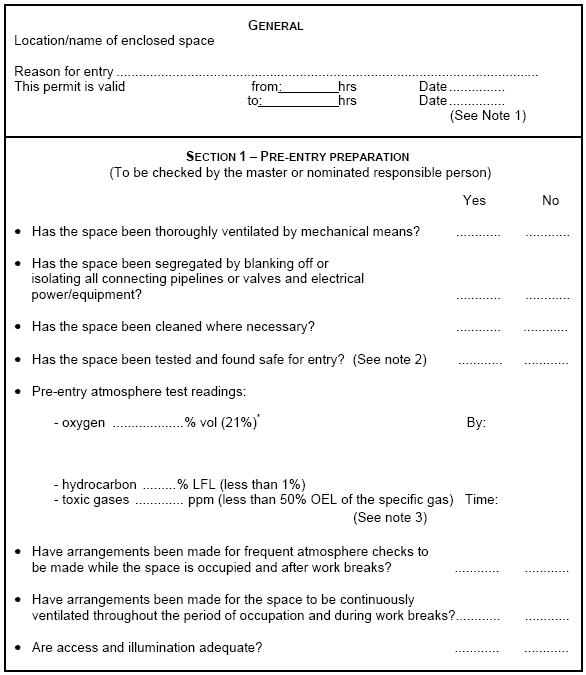
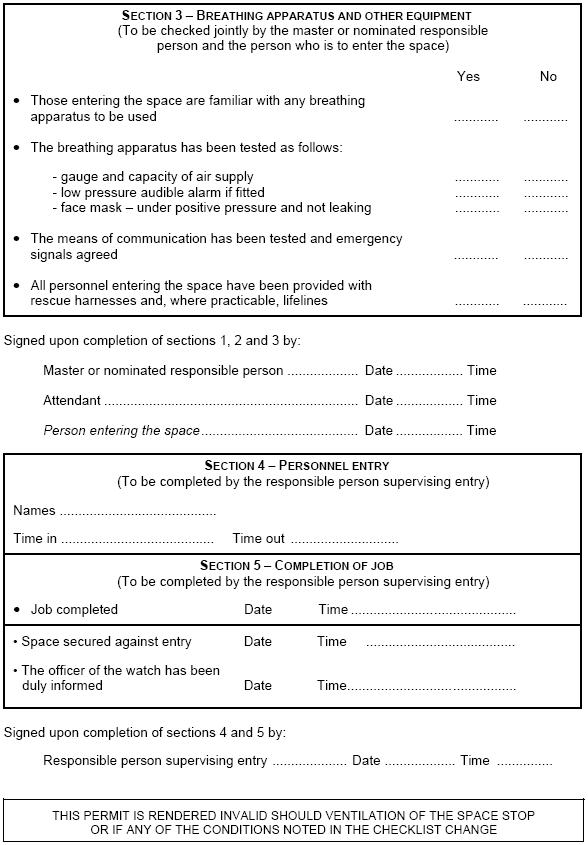
Posted on

Bridge Resource Management on Ships

Bridge Resource Management  & Bridge Team Management:

Situational Awareness and the conditions that affect Situational awareness of an OOW as per BRM:

  • BRM (Bridge Resource Management) addresses the management of operational tasks, as well as stress, attitudes and risk. BRM recognizes there are many elements of job effectiveness and safety, such as individual, organizational and regulatory factors, and they must be anticipated and planned for.
  • BRM enables the bridge team to mark the abort points and various contingencies (anchorage and berth).
  • BRM begins before the voyage with the passage plan and continues through the end of the voyage with the passage debrief, debriefing or evaluation helps in improvement.
Situational awareness:
  • Present state of weather, wind, sea state, swell and visibility and the meterological forecast.
  • Present draft and depth of water, proximity of hazards and effect of squat.
  • State of tide and current and effect of the same.
  • Communications with VTS and any safety related communication with all the stations.
  • All the displays on bridge โ€“ tachometer, rudder angle indicator, ROTI, UKC, anemometer, inclinometer etc, also displays for course steered and course made good, speed through water and speed over ground.
  • Awareness of own shipโ€™s configuration, maneuvering characteristics (turning circle, stopping distance etc).
  • Awareness of the equipment and systems and the limitations. These include bridge equipment, communication equipment, propulsion and steering.
  • Adjustment of various setting for example radar, auto pilot etc.

Many factors can cause you to lose situational awareness, data not observed, either because it is difficult to observe or your scanning of the environment is deficient due to:

  • Passive, complacent behavior.
  • Lack of training, lack of familiarization, lack of experience, lack of competency.
  • Lack of interest, lack of motivation, fear, lack of communication skill.
  • Over reliance on a person, system or equipment.
  • Inability to understand change in traffic/ weather conditions.
  • High work load, stress and fatigue.
  • Ambiguity, confusion, distraction and interruptions etc.

Principles of Bridge Resource Management (BRM):

  • Shared view of goals.
  • Delegation of responsibilities
  • Effective organization and sense of team owner ship in achieving goals.
  • Bridge Resource Management (BRM), or as it is called Bridge Team Management (BTM), is the effective management and utilization of all resources, human and technical, available to the Bridge Team to ensure the safe completion of the vesselโ€™s voyage.
  • BRM focuses on bridge officerโ€™s skills such as teamwork, team building, communication, leadership, decision making and resource management and incorporate this into the larger picture of organizational and regulatory management.
  • BRM addresses the management of operational tasks, as well as stress, attitudes and risk. BRM recognizes there are many elements of job effectiveness and safety, such as individual, organizational and regulatory factors and they must be anticipated and planned for.
  • BRM enables the bridge team to mark the abort points and various contingencies (anchorage and berth).
  • BRM begins before the voyage with the passage plan and continues through the end of the voyage with the passage debrief, debriefing or evaluation helps in improvement.

Importance of Bridge Resource Management on board & factors that affect the effective use of BRM with onboard situation:

  • When BRM is practiced correctly onboard the result should be a Bridge Team that.
  • Maintain its situational awareness hence avoids accidents.
  • Continually monitors the progress of the vessel making appropriate adjustments and corrections as necessary to maintain a safe passage.
  • Acquires relevant information early.
  • Appropriately delegates workload and authority.
  • Anticipates dangerous situations.
  • Avoid becoming pre-occupied with minor technical problems and losing sight of the big picture.
  • Decides on met warnings/ navigational warnings applicable to own vessel.
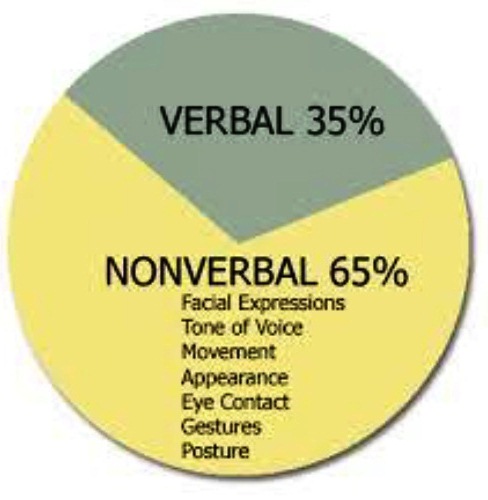
  • Undertakes appropriate contingency plans when called for.
  • Can be beneficial to make the short term strategy if required.
  • Recognizes the development of an error chain; and
  • Takes appropriate action to break the error-chain sequence.
  • Debriefing can help in improvement of future passage plan and possible suggestion to improve SMS checklists / procedures.

BRM tends to develop confidence in each individual, as it focuses on the human factor so hence enables to fulfill the various requirements of charter party without compromising with shipโ€™s safety.


How to effectively use the various resources such as Navigational Equipment on the bridge and available man power for safe keeping a safe navigational watch at sea based on the principle of Bridge Resource Management:

Effectively use of Various resources with respect to Navigational Equipment: A mariner has many resources available to him for safe passage planning and execution and monitoring. Some examples include:

  • Electronic equipment (i.e. radar, echo sounder, GPS / DGPS, ARPA, gyro compass, AIS etc).
  • Charts and nautical publications, including electronic publications.
  • Environmental factors (i.e. visibility, tide, wind, sea, swell & currents).
  • Electronic Charting and Display information Systems (ECDIS).
  • Vessel Traffic Services (VTS) and usage of IMO shipโ€™s routeing.
  • All the displays on bridge tachometer, rudder angle indicator, ROTI, UKC, anemometer, inclinometer etc, also displays for course steered and course made good, speed through water and speed over ground.
  • Internal and external communication equipment.
  • Met warnings and navigational warning through ECG, Navtex etc.
  • Bridge Personnel (i.e. Master, Officer on Watch (OOW), helmsman, lookout etc.)
  • Persons with local knowledge (i.e. Pilot).

Implementing Bridge Resource Management on my vessel:- The Master can implement BRM by considering and addressing the following:

  • Passage Planning:- covering ocean, coastal and pilotage waters. Particular attention is paid to high traffic areas, shallow waters, or pilotage waters where the plan incorporates appropriate margins of safety and contingency plans for unexpected (abort points and contingency anchorages).
  • Passage Plan Briefing:- all bridge team members are briefed on the passage plan and understand the intended route and procedures to transit the route.
  • Bridge Manning:- Master uses passage plan to anticipate areas of high workload and risk and sets manning levels appropriately.
  • Bridge Team Training (ashore and on-the-job) โ€“ is given all bridge members and they are sure of their roles and responsibilities, both for their routine duties and their duties in the event of an incident / emergency.
  • Masterโ€™s Standing Orders- are read and signed before the commencement on the voyage. Orders are clear on the chain of command, how decision and instructions are given on the bridge and responded to, and how bridge team members bring safety concerns to the notice of the Master. Masterโ€™s standing orders must not in conflict with companyโ€™s standing orders/ procedures.
  • Master / Pilot Exchange โ€“ the passage plan is discussed by the Master and the pilot and changes made as necessary. Any new information is communicated to the rest of the bridge team. When the pilot is onboard he/she should be supported as a temporary bridge team member, relevant checklists to be complied with, pilot advice can be challenged as and when required.
  • End of Voyage Debriefing –  provides the opportunity for the bridge team to review the passage planโ€™s strengths and weaknesses, make suggestions for improved safety or communications, and improve team problem solving skills.

Factors to be taken into account when determining bridge manning levels:

Determination of minimum safe manning levels (SOLAS CHAPTER V โ€“ Annex 2):-

  • The purpose of determining the minimum safe manning level of a ship is to ensure that its complement includes the grades/capacities and number of persons required for the safe operation of the ship and the protection of the marine environment.
  • The minimum safe manning level of a ship should be established taking into account all relevant factors, including the following:
    • size and type of ship;
    • number, size and type of main propulsion units and auxiliaries;
    • construction and equipment of the ship;
    • method of maintenance used;
    • cargo to be carried;
    • frequency of port calls, length and nature of voyages to be undertaken;
    • trading area(s), waters and operations in which the ship is involved;
    • extent to which training activities are conducted on board; and
    • applicable work hour limits and/or rest requirements.
  • The determination of the minimum safe manning level of a ship should be based on performance of the functions at the appropriate level(s) of responsibility, as specified in the STCW Code, which include the following:
    • navigation, comprising the tasks, duties and responsibilities required to:
    • plan and conduct safe navigation;
    • maintain a safe navigational watch in accordance with the requirements of the STCW Code;
    • manoeuvre and handle the ship in all conditions; and
    • moor and unmoor the ship safely;
  • ย cargo handling and stowage, comprising the tasks, duties and responsibilities required to:
    • plan, monitor and ensure safe loading, stowage, securing, care during the voyage and unloading of cargo to be carried on the ship;
  • operation of the ship and care for persons on board, comprising the tasks, duties and responsibilities required to:
    • maintain the safety and security of all persons on board and keep life-saving, fire-fighting and other safety systems in operational condition;
    • operate and maintain all watertight closing arrangements;
  • perform operations, as appropriate, to muster and disembark all persons on board;
    • perform operations, as appropriate, to ensure protection of the marine environment;
    • provide for medical care on board the ship; and
    • undertake administrative tasks required for the safe operation of the ship;
  • In determining the minimum safe manning level of a ship, consideration should also be given to:
    • the number of qualified and other personnel required to meet peak workload situations and conditions, with due regard to the number of hours of shipboard duties and rest periods assigned to seafarers; and
    • the capability of the master and the ship’s complement to co-ordinate the activities necessary for the safe operation of the ship and the protection of the marine environment.

Define โ€˜Emergencyโ€™. How does SOLAS ensure that shipโ€™s crew can deal with various emergencies that may arise? Describe how this achieved on your last ship:

Emergency:- A serious, unexpected, and often dangerous situation requiring immediate action.

To ensure that Shipโ€™s crew can deal with various emergencies, Emergency Training & Drills are given as per SOLAS Regulation 19

Regulation 19 Emergency training and drills

  1. This regulation applies to all ships.
  2. Familiarity with safety installations and practice musters:
    1. Every crew member with assigned emergency duties shall be familiar with these duties before the voyage begins.
    2. On a ship engaged on a voyage where passengers are scheduled to be on board for more than 24 h, musters of the passengers shall take place within 24 h after their embarkation. Passengers shall be instructed in the use of the lifejackets and the action to take in an emergency.
  3. Drills:
    1. Drills shall, as far as practicable, be conducted as if there were an actual emergency.
    2. Every crew member shall participate in at least one abandon ship drill and one fire drill every month. The drills of the crew shall take place within 24h of the ship leaving a port if more than 25% of the crew have not participated in abandon ship and fire drills on board that particular ship in the previous month. When a ship enters service for the first time, after modification of a major character or when a new crew is engaged, these drills shall be held before sailing.
    3. Abandon ship drill
    4. Each abandon ship drill shall include:
      1. summoning of passengers and crew to muster stations with the alarm required by regulation 6.4.2 followed by drill announcement on the public address or other communication system and ensuring that they are made aware of the order to abandon ship;
      2. reporting to stations and preparing for the duties described in the muster list.
      3. checking that passengers and crew are suitably dressed;
      4. checking that lifejackets are correctly donned;
      5. lowering of at least one lifeboat after any necessary preparation for launching;
      6. starting and operating the lifeboat engine;
      7. operation of davits used for launching liferafts;
      8. a mock search and rescue of passengers trapped in their staterooms; and
      9. instruction in the use of radio life-saving appliances.
    5. Different lifeboats shall, as far as practicable, be lowered in compliance with the requirements of paragraph 3.3.1.5 at successive drills.
    6. Except as provided in paragraphs 3.3.4 and 3.3.5, each lifeboat shall be launched, and manoeuvred in the water by its assigned operating crew, at least once every three months during an abandon ship drill.
    7. In the case of a lifeboat arranged for free-fall launching, at least once every three months during an abandon ship drill the crew shall board the lifeboat, properly secure themselves in their seats and commence launch procedures up to but not including the actual release of the lifeboat (i.e., the release hook shall not be released). The lifeboat shall then either be free-fall launched with only the required operating crew on board, or lowered into the water by means of the secondary means of launching with or without the operating crew on board. In both cases the lifeboat shall thereafter be manoeuvred in the water by the operating crew. At intervals of not more than six months, the lifeboat shall either be launched by free-fall with only the operating crew on board, or simulated launching shall be carried out in accordance with the guidelines developed by the Organization.
    8. As far as is reasonable and practicable, rescue boats other than lifeboats which are also rescue boats, shall be launched each month with their assigned crew aboard and manoeuvred in the water. In all cases this requirement shall be complied with at least once every three months
    9. Emergency lighting for mustering and abandonment shall be tested at each abandon ship drill.
  4. Fire Drills:
    1. Fire drills should be planned in such a way that due consideration is given to regular practice in the various emergencies that may occur depending on the type of ships and the cargo.
    2. Each fire drill shall include:
      1. reporting to stations and preparing for the duties described in the muster list required by regulation 8;
      2. starting of a fire pump, using at least the two required jets of water to show that the system is in proper working order;
      3. checking of firemanโ€™s outfit and other personal rescue equipment;
      4. checking of relevant communication equipment;
      5. checking the operation of watertight doors, fire doors, fire dampers and main inlets and outlets of ventilation systems in the drill area; and
      6. checking the necessary arrangements for subsequent abandoning of the ship.

Leadership with respect to bridge resource management principles:

Explanation:- (Prepare your answer based on the Marks)

Leadership: Becoming an effective leader is not easy, it requires Part Skill Development and Part Experience. Leadership is Action and not Position.

Leadership Principles: A principle is a โ€œTested form of Actionโ€, proven useful in the skill of leadership in isolation, principles are ineffective โ€“ must be applied based on the situation.

The Leadership Principles need to have these qualities:

  1. Show interest
  2. Positive approach
  3. Complaints
  4. Promises
  5. Get the facts
  6. Discussion basis
  7. Design an approach
  8. Explain why
  9. Admit mistakes
  10. Reasonable expectations
  11. Be prompt
  12. Compliment
  13. Prepare for change
  1. Show Interest: Develop a Relationship
    • Frequent personal contact โ€“ Listen to others.
    • Keep an open and honest attitude.
    • Take time to learn & understand other peopleโ€™s needs.
    • Sell ideas based on merit, value to others.
    • Never force a personal agenda
    • Offer suggestions to help others solve their OWN problems.
  2. Positive approach:
    • Consider other personโ€™s feelings & objectives in planning what you do/say.
    • Plan before you speak.
    • Give โ€œbenefit of the doubtโ€
    • Avoid jumping to conclusions
    • Consider otherโ€™s point of view and emotional state
    • Keep negative emotion out of discussion.
  3. Complaints / Suggestions: View complaints not as personal criticism, but as valuable feedback and suggestions.
    • Address complaints quickly, listen to whole story.
    • Remain composed, calm โ€“ avoid interruptions.
    • Show problem is understood by restating it, ask questions to clarify misunderstandings.
    • Show appreciation, and indicate what will be done.
    • Follow Up with action.
  4. Promises: Make few promises, and keep them.
    • Credibility lost when leadership fails to keep promises.
    • Ensure commitment is realistic and attainable.
    • Keep stakeholders informed of progress.
    • If situations change, and promise cannot be kept:
      • Immediately contact those affected, avoid rumours
      • Explain carefully and thoroughly the reasons.
      • Allow free feedback, consider others.
      • Follow up with mutually agreed corrective actions.
  5. The Facts: Examine all facets of a situation
    • Evaluate evidence
    • Allow everyone involved to express viewpoint
    • Consider otherโ€™s rights, whatโ€™s fair.
    • Ignore unsubstantiated information.
    • Base decisions on logical thinking, not emotions.
  6. Discussion basis: Keep it a business-like discussion
    • Stick to the subject
    • Listen respectfully
    • Avoid getting hung up on personalities
    • Grant that other person โ€œmay have somethingโ€
    • Do not loose temper
    • Plan the time and place for the discussion
  7. Design an Approach: Approach appeals to otherโ€™s motivations and emotions.
    • Be pleasant, remain calm.
    • Use questions, and listen to responses.
    • Observe body language, clues to otherโ€™s feelings.
    • Give direct answers.
    • Speak in a manner the other participants understand / relate to
  8. Explain Why: Reasons why/why not
    • Be truthful.
    • Show willingness to answer questions
    • Let others โ€œin on the knowโ€
    • Present the complete story.
    • MAY HAVE TO MODIFY FOR SHIP USE

Effective Communication with the respect to Bridge Resource Management Principles:

Effective Communication: Communication is at the heart of any relationship, be it familial, business, romantic, or friendly.

  • Communication is not a one-way street.
  • To have others open up to you, you must open up yourself first.
  • By overcoming these barriers to communication, you can ensure that the statement you are making is not just heard, but also understood, by the person you are speaking with.
  • In this way, you can be confident that your point has been expressed and understood.

Types of Communication:

Verbal Communication:

  • Verbal communication continues to be the most important aspect of our interaction with other people.
  • Itโ€™s important to understand both the benefits and shortcomings of this most basic communication.

Non-verbal Communication:

  • It is any kind of communication not involving words.
  • When the term is used, most people think of facial expressions and gestures, but while these are important elements of non-verbal communication, they are not the only ones.
  • Non-verbal communication can include vocal sounds that are not words such as grunts, sighs and whimpers.
  • Even when actual words are being used, there are non-verbal sound elements such as voice tone, pacing of speed and so forth.

Effective Verbal Communication:

  • It has more to do with listening than it does with speaking because you are always dealing with an audience.
  • This is true no matter whether you are speaking to a crowd of thousands or to a party of one.
  • Listening is key because when you address an audience, no matter the size, you have to meet its needs to communicate effectively, and to know the needs of your audience, you have to listen.

Formal Communication:

  • It can be considered as communication efforts that are โ€œdressed upโ€ to fit customary rules and ceremony e.g. in a written letter, the formal communication style will demand that the layout of the piece of written communication follow a specific format that includes the date, header, salutation, body of the letter, close, signature lines and any indicators of enclosures all placed neatly upon company letterhead or personal stationery.
  • By contrast, an informal piece of written communication can be as simple as a jotted note to a friend on a torn slip of paper.

Informal Communication:

  • If formal communication is viewed like dressing for a black tie affair, informal communication is like dressing casually and wearing slippers around the house.
  • Much informal communication occurs on a person to person basis, in a face-to-face manner, without ceremony or fanfare.
  • Other ways to communicate in an informal manner may include texting, post-it notes, an informal drop in visit to another person, or a quick and spontaneous meeting.

Communication through Body Language:

  • Communication is how human beings interact with the world that surrounds them.
  • There are many forms of communication, some being more effective at conveying the intent or feelings of the individual expressing than others.
  • Many people have a hard time with communication, and can find it difficult to tell others what they think or to give them bad news.
  • Sometimes, they canโ€™t find the right words to express the things they want to say.
  • There are also those people who are not to be believed due to a history of dishonesty or embellishing the truth.
  • One form of communication, however, is always honest and can always be counted on.

Bridge Team Management:

The OOW is in charge of the Bridge Team, until properly relieved, in compliance with the SMS and Master’s Standing Orders. This responsibility extends to ensuring that bridge watch manning levels are at all times maintained at a safe level for the prevailing circumstances and conditions. An OOW should be on watch on the bridge at all times at sea or at anchor. All members of the Bridge Team including look-outs and any helmsmen should be fit for duty.

Importance of Communication in Bridge Team Management:

Importance of Communication in Bridge Team Management on Ship
IMPORTANCE OF COMMUNICATION

Verbal Communication:

  • Is either spoken or written
  • Helps to build relationships
  • Helps in task completion
  • On its own can hinder effective communications
  • The โ€œhowโ€ it is said may be more important than โ€œwhatโ€ is said
  • Written communications must be clear, precise and informative

Non โ€“ Verbal Communication:

Complements verbal communication by:

  • Repeating what is being said
  • Reinforces verbal communications
  • Enables emphasis to be placed on certain words
  • Contradicts the verbal message
  • Substitutes for verbal behaviour

Debriefs โ€“ An Aid to Effective Communication:

Debriefs should be held as they:

  • Enable learning
  • Prevent repetition of errors
  • Enable improvement
  • Reinforce correct behaviour with positive feedback
  • Emphasise positives

Dis-advantages of Ineffective Communication:

  • Miscommunication
  • Poor team performance
  • Increase in the risk of an incident
  • Threatens the safety of the vessel

Guidelines for Effective Bridge Communication:

  • Give Respect
  • Generate good body language
  • Speak slowly and clearly
  • Listen actively
  • Simplicity
  • Use pictures and diagrams
  • Use standardised words and phrases (IMO SMCP)
  • Never assume
  • Be happy (smile)


Importance of โ€˜Feedbackโ€™ for effective communication on bridge:

Effective feedback is critical as it:

  • Ensures that the sender and receiver are โ€œon the same pageโ€.
  • Closes the communication loop.
  • Prevents the receiver misunderstanding the original intent of the message.

Assertiveness with on board examples:

Assertiveness is the ability to communicate what you feel is correct in an open and honest manner possibly without hurting the feelings of others.

Passive Behavior: Failing to state your needs, wants, opinions, feelings or beliefs in direct honest and appropriate ways, Stating them in a way that others can easily disregard them.

Aggressive Behavior: Ignoring or dismissing the needs, wants, opinions, feelings, or beliefs of others. Expressing your own needs or wants in inappropriate ways.

Importance of Assertiveness:

  • Effective communication brings about the achievement of individual and/ or shared goals.
  • Assertiveness increases your ability to reach these goals while maintaining your rights and dignity.

Guidelines for being assertive:

  • Decide what you want
  • Say it clearly and specifically
  • Support what you say by how you say it.
  • Donโ€™t be manipulated or sidetracked.
  • Listen
  • Aim for a working compromise or โ€œwin winโ€ situation

Applicability on ship board work:

  • Reprimanding or criticizing a member of staff
  • Delegating an unpleasant task
  • During appraisals
  • Resolving conflicts
  • Making sure the things on ship as per valid company requirement and regulations
  • Maintaining discipline
  • Economical control

Posted on

Rate of Turn Indicator on Ship (ROTI)

Rate of Turn Indicator

Introduction:

  • IMO Recommendations on passage planning lay stress on controlled navigation. The passages in narrow channels or harbors are either along straight courses or along arcs of circles.
  • As per SOLAS 2000 Amendment Chapter V Regulation 19.2.9, it is mandatory for ships over 50,000 GRT to have a rate of turn indicator. IMO recommends that large alteration of courses have to be planned along circular tracks with wheel over point marked.
  • The Rate of Turn Indicator (ROTI) is a device which indicates the instantaneous rate at which the ship is turning. It is fitted on ship as an independent fitment integrated with the steering gear/auto pilot.
Rate of Turn Indicator of Ship
  • When the wheel is turned over, the ship actually traverses along a curved track rather than performing a sharp turn about a point. It is very useful knowing the nature of this traversed path the ship takes which can help in planning:
    • The desired turn with given radius
    • Desired speed of the vessel to execute the planned turn.
    • When to apply the turn (wheel over point).

RATE OF TURN FORMULAE:

ROT = v/R

Where,

v – Speed of the vessel .

R – Radius from a fixed point around which to turn the ship.

Note: ROT is directly proportional to the speed.

ROT is inversely proportional to radius.


Use of ROTI (Rate Of Turn Indicator):-

  1. The rate of turn indicator is equipment which indicates the instantaneous rate at which the ship is turning.
  2. This indicator is fed 60 to 200 pulses per minute from the steering repeater and from this input it works out the instantaneous rate of turn.
  3. The dial is marked usually 0O to 60O on either side. As per IMO performance standard the dial should be marked not less than 0O to 30O per minute on either side and graduated in intervals of 1O per minute.
  4. As we know that when ship turn she actually traverses some distance round the arc of a circle and cannot execute a sharp turns about a point.
  5. When ship is making a turn it precise the ship track uncertain due to her characteristic, condition, weight and UKC.
  6. Therefore navigator uses the touch of ship track during the turn that is uncertain of position until the ship is steadied on the new course.
  7. IMO recommends for passage planning is not only monitor the position on straight course but also on curve section of passage. This can be achieved by the technique called radius turn by the help of roti and ship’s log.

Posted on

Ship Reporting System

Ship Reporting System (SRS):

  • A ship reporting system enables the SMC to quickly:
    • Identify vessels in the vicinity of a distress situation, along with their positions, courses, and speeds
    • Be aware of other information about the vessels, which may be valuable (whether a doctor is aboard, etc.)
    • Know how to contact the vessels
  • Masters of vessels are urged to send regular reports to the authority operating a ship reporting system for SAR.

The Automated Mutual-Assistance Vessel Rescue (AMVER) System:-

  • AMVER is a worldwide system operated exclusively to support SAR and make information available to all RCCS.
    • There is no charge for vessels to participate in, nor for RCCs to use AMVER
    • Many land-based providers of communications services world-wide relay ship reports to AMVER free of charge.
  • Any merchant vessel of 1,000 gross tons or more on any voyage of greater than 24 hours is welcome to participate.
  • Benefits of participation include:
    • Improved likelihood of rapid aid during emergencies
    • Reduced number of calls for assistance to vessels unfavorably located to respond
    • Reduced response time to provide assistance.

Types of Reports does a ship need to send out:

Reports should be sent as follows:

  • Sailing plan (SP) – Before or as near as possible to the time of departure from a port within a reporting system or when entering the area covered by a system.
  • Position report (PR) – When necessary to ensure effective operation of the system.
  • Deviation report (DR) – When the ship’s position varies significantly from the position that would have been predicted from previous reports, when changing the reported route, or as decided by the master.
  • Final report (FR) – On arrival at destination and when leaving the area covered by a system.
  • Dangerous goods report (DG) – When an incident takes place involving the loss or likely loss overboard of packaged dangerous goods, including those in freight containers, portable tanks, road and rail vehicles and shipborne barges, into the sea.
  • Harmful substances report (HS) – When an incident takes place involving the discharge or probable discharge of oil (Annex I of MARPOL) or noxious liquid substances in bulk (Annex II of MARPOL).
  • Marine pollutants report (MP) – In the case of loss or likely loss overboard of harmful substances in packaged form, including those in freight containers, portable tanks, road and rail vehicles and shipborne barges, identified in the International Maritime Dangerous Goods Code as marine pollutants (Annex III of MARPOL).
  • Any other report – Any other report should be made in accordance with the system procedures as notified in accordance with paragraph 9 of the General Principles.

Importance of Ship Reporting Systems for safe navigation:

  1. Ship reporting systems contribute to safety of life at sea, safety and efficiency of navigation and/or protection of the marine environment. A ship reporting system, when adopted and implemented in accordance with the guidelines and criteria developed by the Organization pursuant to this regulation, shall be used by all ships, or certain categories of ships or ships carrying certain cargoes in accordance with the provisions of each system so adopted.
  2. The Organization is recognized as the only international body for developing guidelines, criteria and regulations on an international level for ship reporting systems. Contracting Governments shall refer proposals for the adoption of ship reporting systems to the Organization. The Organization will collate and disseminate to Contracting Governments all relevant information with regard to any adopted ship reporting system.
  3. The initiation of action for establishing a ship reporting system is the responsibility of the Government or Governments concerned. In developing such systems provision of the guidelines and criteria developed by the Organization shall be taken into account.
  4. Ship reporting systems not submitted to the Organization for adoption do not necessarily need to comply with this regulation. However, Governments implementing such systems are encouraged to follow, wherever possible, the guidelines and criteria developed by the Organization. Contracting Governments may submit such systems to the Organization for recognition.
  5. Where two or more Governments have a common interest in a particular area, they should formulate proposals for a co-ordinated ship reporting system on the basis of agreement between them. Before proceeding with a proposal for adoption of a ship reporting system, the Organization shall disseminate details of the proposal to those Governments which have a common interest in the area covered by the proposed system. Where a co-ordinated ship reporting system is adopted and established, it shall have uniform procedures and operations.
  6. After adoption of a ship reporting system in accordance with this regulation, the Government or Governments concerned shall take all measures necessary for the promulgation of any information needed for the efficient and effective use of the system. Any adopted ship reporting system shall have the capability of interaction and the ability to assist ships with information when necessary. Such systems shall be operated in accordance with the guidelines and criteria developed by the Organization pursuant to this regulation.
  7. The master of a ship shall comply with the requirements of adopted ship reporting systems and report to the appropriate authority all information required in accordance with the provisions of each such system.
  8. All adopted ship reporting systems and actions taken to enforce compliance with those systems shall be consistent with international law, including the relevant provisions of the United Nations Convention on the Law of the Sea.
  9. Nothing in this regulation or its associated guidelines and criteria shall prejudice the rights and duties of Governments under international law or the legal regimes of straits used for international navigation and archipelagic sea lanes.
  10. The participation of ships in accordance with the provisions of adopted ship reporting systems shall be free of charge to the ships concerned.
  11. The Organization shall ensure that adopted ship reporting systems are reviewed under the guidelines and criteria developed by the Organization.

Explanation of how the ship reporting system provides the necessary information for search & rescue in case of distress:

Ship Reporting System:-

  • A ship reporting system enables the SMC to quickly:
    • identify vessels in the vicinity of a distress situation, along with their positions, courses, and speeds
    • be aware of other information about the vessels, which may be valuable (whether a doctor is aboard, etc.)
    • know how to contact the vessels.
  • Masters of vessels are urged to send regular reports to the authority operating a ship reporting system for SAR.

The Automated Mutual-Assistance Vessel Rescue (AMVER) System:-

  • AMVER is a worldwide system operated exclusively to support SAR and make information available to all RCCS.
    • there is no charge for vessels to participate in, nor for RCCs to use AMVER
    • many land-based providers of communications services world-wide relay ship reports to AMVER free of charge.
  • Any merchant vessel of 1,000 gross tons or more on any voyage of greater than 24 hours is welcome to participate.
  • Benefits of participation include:
    • improved likelihood of rapid aid during emergencies
    • reduced number of calls for assistance to vessels unfavorably located to respond
    • reduced response time to provide assistance.


Short notes on INSPIRES with respect to Ship Reporting System:

INDIAN Ship position and information reporting system (INSPIRES) :

Indian navy in co-ordination with DG of Shipping has established INSPIRES to exercise effective open ocean vessel management, to provide security to vessel, weather forecast to enhance safety of navigation and monitor incidence of pollution. An Indian Naval communication center (COMCENs) Mumbai and Vizag are functioning as the shore stations for receiving INSPIRES messages from vessels. All Indian vessels including coasting/ fishing vessels of tonnage 300 GRT and above shall participate in this reporting system. All vessels other than Indian ships of tonnage 100 GRT and above are encouraged to participate in this reporting system.

INDIAN SHIP REPORTING SYSTEM:

INDIAN SHIP POSITION AND INFORMATION REPORTING SYSTEM (INSPIRES) SHIP REPORTING SYSTEM FOR SAR (INDSAR):

The INSPIRES has been established to achieve the following objectives:

  • To provide up to date information on shipping for search and rescue.
  • For effective vessel traffic management service.
  • For weather forecasting.
  • For prevention and containment of marine pollution.

This reporting system has wider area of coverage in the Indian Ocean. An Indian Naval Communication Centre (COMCENs) Mumbai and Vishakhapatnam are functioning as the shore stations for receiving INSPIRES messages from all vessels.


Posted on

Bridge Watchkeeping Emergencies on a Ship

Actions to be taken while on Navigational Watch: The Steering Gear Failure

  • If on Auto-Steering, the first action is to change over to Hand steering.
  • The 1st suspect is โ€˜Telemotor failureโ€™.
  • Switch over to other Telemotor โ€˜Systemโ€™ (Marked as System 1 / 2).
  • It that still does not solve the problem, the next suspect is the Steering Motor.
  • Change from Steering Motor 1 to Steering Motor 2.
  • It that still does not solve the problem, next suspect is failure of both telemotor system.
  • Turn the mode selection switch to NFU (non-follow up steering)
  • Even if this does not work, it means that all means from steering from the bridge have failed and the last resort of Emergency steering from the Steering gear compartment has to be resorted to.
  • After each corrective step, the rudder would have to be tried out. Before doing it, pay heed to traffic around to avoid any Closed Quarterโ€™ situation.
  • If in restricted waters with traffic around, if steering is not restored immediately,
    • Reduce to Minimum Steerage way.
    • Inform ships around through safety message and burn NUC lights or hoist NUC shapes.
    • Inform Master and the Engine Room.
  • Such efficiency can only be achieved by planned and frequent training by simulating steering gear failures.
  • Details of drills and their periodicity is strictly laid down in ships training manual.
  • Company Superintendents and Surveyors are very particular that these drills are carried out regularly and recorded correctly as per the ISM procedures.

Actions to be taken while on Navigational Watch: The Auto Pilot Alarm Sounds

  1. Check compass and rudder angle indicator and compare, if the compass moves to port the rudder should move to stbd.
  2. Check wake of the ship for yawing.
  3. Check course recorders heading for a straight line. It does not ring unless the difference between the course setting and gyro heading is more than the preset limit.
  4. Inform Master.

Actions to be taken while on Navigational Watch: Seeing a Man on Deck Falling Overboard:

The initial and early sighting of the fallen crew plays a vital role in increasing the percentage of saving his/her life. The actions for an MOB mentioned below are extremely urgent and must be taken without any delay to save the life of the person who has fallen overboard.

  1. Shout โ€˜Man Overboard on Starboard/Port sideโ€™.
  2. Change over to hand steering from auto and put the wheel hard over to the respective side (port or starboard).
  3. Release MOB marker from the side of the bridge wing to which MOB has occurred. This marker is buoyant and has a self igniting light as well as a self activating smoke signal.
  4. Press the MOB button on the GPS to mark the position of the casualty for future reference.
  5. Sound โ€˜Oโ€™ on the whistle (one prolonged blast). This is to let the Master and the crew knows about the emergency situation. Supplement this with the appropriate โ€˜Oโ€™ flag.
  6. Post extra lookout as soon as possible.
  7. Sound the General Alarm on the shipโ€™s whistle to alert everybody to proceed to stations. This is to ensure that if the crew has not understood the one prolonged blast for MOB, they are alerted regardless and proceed to muster stations to assist in the recovery of the person.
  8. Thereafter, announce the MOB situation on the shipโ€™s PA system.
  9. Inform the engine room of the situation and let them know that maneuvering will be required.
  10. Execute the Williamsons turn (explained later).
  11. Keep a keen eye on the RADAR/ARPA and put the VHF on Channel 16.
  12. Maintain a record of all the events in the Bell book.
  13. Carry out Masterโ€™s orders.
  14. The Chief Mate should take-over all decisions based on deck with regard to lowering survival craft etc.
  15. The Third Mate ought to assist the Master on Bridge.
  16. The officer in charge at the moment must send out an โ€œUrgency signalโ€ on all the communications systems to let ships in the vicinity know about the situation.
  17. Keep the lifebuoy (MOB marker) in sight.
  18. The rescue boat should be manned adequately with enough personnel to carry out the rescue operation.
  19. Portable handheld VHF must be carried by the officer in the rescue boat.
  20. Once the person is rescued, the rescue boat must be picked up upon arrival close to the ship along with the lifebuoy and hoisted back.
  21. Immediate first aid should be administered if required.
  22. An โ€˜Urgency Signalโ€™ must be sent out to cancel the last transmitted MOB alert.
  23. Appropriate entries must be made in the Shipโ€™s Logbook.
  24. The Master must carry out an enquiry with respect to the MOB incident and all entries made in the Shipโ€™s Logbook.

The engines are not stopped immediately to keep the person away from the propeller. The same is the case for wheel hard over to the side of the casualty as it is done to keep the stern away from the casualty. Screaming about the MOB at the instant that the mishap is realized is of paramount importance to use all manpower available for immediate use. The lifebuoy also adds to the lifesaving process as the smoke signal leaves a conspicuous mark by the day or night. It is also important to pick up the lifebuoy to not confuse any other ships passing by about the status of the MOB. They must not assume that there is a MOB in the vicinity and proceed towards helping the person when he has already been rescued. Entries in the Shipโ€™s Logbook hold great legal importance and should be made carefully. Always try to succeed in the first attempt as even a little delay can cause a human life.

The Williamson Turn:
  1. Note the position of the ship
  2. Put wheel hard over to the side of the casualty
  3. After the ship has aletered course by about 60 degrees, put wheel hard over to the other side
  4. When the vessel is 20 degrees short of the reciprocal course, wheel on midship
The Scharnow Turn:
  1. Put the rudder over hard toward the person
  2. After deviating from the original course by about 240 degrees, shift the rudder hard to the opposite side.
  3. When heading about 20 degrees short of the reciprocal course, put the rudder amidships so that vessel turns onto the reciprocal course.
The Anderson Turn:
  1. Stop the engines.
  2. Put the rudder over toward the person
  3. When clear of the person, go all ahead full, still using full rudder.
  4. After deviating from the original course by about 240 degrees (about 2/3 of a complete circle), back the engines 2/3 or full.
  5. Stop the engines when the target point is 15 degrees off the bow. Ease the rudder and back the engines as required.

Actions to be taken while on Navigational Watch: On observing another vessel dragging her anchor onto you:

  1. Sound โ€˜Uโ€™ on the whistle: This will also attract the attention of other ships, if any, in the vicinity but none of them would know who is sounding the whistle and for whom the signal is intended. The other ships would thus be alerted and become witnesses.
  2. Inform Master: On hearing the whistle, the Master of the own ship would rush to the bridge.
  3. Call up the other ship by VHF. At this close range, the other shipโ€™s name wold be clearly visible. Inform him that he is dragging anchor on to us.
  4. In case the OOW on that ship does not respond to VHF calls, flash โ€˜Uโ€™ at him by the Daylight Signaling Lamp. When he responds, ascertain by VHF, what action he is taking.
  5. Inform the engine room: โ€˜This is an emergency. Get engines ready as soon as possible and let us know when you are ready. Switch on power to the windlassโ€™.
  6. Call anchor stations urgently.
  7. Call for a messenger on the bridge because the quartermaster would be manning the wheel.
  8. Switch on steering motors.
  9. Switch on radar/ ARPA.
  10. Keep a record of all happenings, and their timings in the Bridge Notebook.
  11. Carry out Masterโ€™s orders.

Actions to be taken while on Navigational Watch when underway: Approaching Rain with reducing visibility / Sight a fog bank ahead:

  1. Inform Master.
  2. Inform E/R โ€˜We are entering fog. Get engines ready for maneuvering and let us know as soon as readyโ€™.
  3. Observe visually and make a note of the movement of all traffic in sight.
  4. Switch on ARPA and commence plotting.
  5. Switch on navigation lights.
  6. Change over to hand steering.
  7. Switch on the other steering motor also.
  8. Post double lookouts โ€“ one on the bridge as lookout-cum-messenger and the other on the forecastle, monkey island or crowโ€™s nest as appropriate (consult Master regarding the deployment of the second lookoutman).
  9. Try out pneumatic whistle, electric klaxon and manual foghorn by giving a very short blast on each.
  10. Stop all noise on deck so that fog signals of other ships would not get drowned by noises on board the own ship.
  11. Keep open the outer doors of the wheelhouse so that fog signals of other ships may be heard.
  12. Commence sounding fog signals before entering fog.
  13. Reduce to โ€˜Safe speedโ€™ before entering fog.
  14. Restrict hold ventilation.
  15. Record all happenings in the bridge notebook.

Actions to be taken while on Navigational Watch: In restricted visibility you pick up a target on your radar:

  1. Stop Engine.
  2. Take her all way off.
  3. Start radar plotting.
  4. Compete radar plotting.
  5. Find out best course of action.
  6. Do not alter course before completing radar plotting as because this is a scanty radar information.

Actions to be taken while on Navigational Watch: Own Ship is Dragging Anchor:

  1. Inform Master.
  2. Inform engine room โ€˜This is an emergency, get engines ready as soon as possible and let us know when you are ready. Switch on power to windlassโ€™.
  3. Call anchor stations.
  4. Call for a messenger on the bridge because the quartermaster would be manning the wheel.
  5. Switch on steering motors.
  6. Switch on radar/ ARPA.
  7. Try out pneumatic whistle and electric klaxon.
  8. The VHF would already be on, while at anchor, guarding Channel 16.
  9. Keep a record of all happenings, and their timings in the Bridge Notebook.
  10. Carry out Masterโ€™s orders.
  11. If the Master is ashore, the Chief Officer would automatically take charge of the situation.
  12. In the rate circumstance of both of them being ashore, the Second officer would have to manage. In such a case, the following point would be of great importance:
    1. The length of cable paid out is only to ensure that the pull on the anchor shank, while it is on the sea bed, is horizontal. Once that is assured, paying out more cable would NOT help.
    2. Heaving up anchor, manoeuvring the ship, and re-anchoring should ONLY be a last resort by the Second Officer.
  13. Inform harbor control by VHF, โ€˜My ship is dragging anchor. Require a pilot immediately to re-anchorโ€™.

Prepare your vessel for encountering heavy weather/ rain at Sea:

  1. Inform Master.
  2. Inform Chief Officer.
  3. Inform Catering Staff.
  4. Inform Engine Room.
  5. Secure all movable equipment on the bridge.
  6. Switch on ARPA and commence plotting.
  7. Switch on navigation lights. Later on, clouds may result in partial darkness; rain and/or spray may result in decrease of visibility.
  8. Switch on second steering motor also.
  9. Try out pneumatic whistle, electric klaxon and also foghorn.
  10. Keep a record of all relevant actions/ events in the Bridge Notebook.
  11. Inspect the chart and ensure that the intended course is safe bearing in mind the following points:
    1. More under keel clearance would be required because of pitching, rolling and heaving.
    2. The ship would be more difficult to manage in bad weather and hence it may be necessary to give dangers a wider berth than in calm weather.
    3. Failure of main engine, failure of generators, failure of steering systems, etc, in bad weather, as some of the possibilities that must not be overlooked.

Actions to be taken while on Navigational Watch: During open sea watch you observe the barometer falling rapidly:

  1. Prepare for the onset of stormy weather with strong winds.
  2. Inform Master.
  3. Inform Chief Officer.
  4. Inform Catering Staff.
  5. Inform Engine Room.
  6. Secure all movable equipment on the bridge.
  7. Switch on ARPA and commence plotting.
  8. Switch on navigation lights. Later on, clouds may result in partial darkness; rain and/or spray may result in decrease of visibility.
  9. Switch on second steering motor also.
  10. Try out pneumatic whistle, electric klaxon and also foghorn.
  11. Keep a record of all relevant actions/ events in the Bridge Notebook.
  12. Inspect the chart and ensure that the intended course is safe bearing in mind the following points:
    1. More under keel clearance would be required because of pitching, rolling and heaving.
    2. The ship would be more difficult to manage in bad weather and hence it may be necessary to give dangers a wider berth than in calm weather.
    3. Failure of main engine, failure of generators, failure of steering systems, etc, in bad weather, as some of the possibilities that must not be overlooked.

On a navigational watch at sea, signals likely to see or receive, if a vessel in vicinity is in distress:

Mentioned below are the Distress Signals which are used by Vessels: Use of these signals except for the purpose of indicating distress is prohibited:

Distress Signals which are used by Vessels

On a Navigational Watch at sea during night, action will you take if the โ€˜smoke detectorโ€™ indicates a fire in No.2 hold:

Fire in a cargo hold at Sea:-

  1. Sound the Fire Alarm.
  2. Shut off the blowers of that hold.
  3. Announce on the PAS (Public Address System). โ€˜Fire in No:2 Hold.โ€™
  4. Mark the position quickly, for future reference, by pressing the โ€˜Man overboardโ€™ button on the GPS receiver. Such a button is available on most types of receivers.
  5. The Master would come rushing to the bridge after hearing the fire alarm, possibly before the announcement on the PAS.
  6. Inform the Engine room, โ€˜Fire in no:2 cargo hold. Open water on deckโ€™. In many ships, the fire pump is started from the bridge.
  7. Mark the own shipโ€™s position, by a cross on the chart, for ready reference by the Master. Clearly write the latitude, longitude, shipโ€™s time and UTC of the incident.
  8. Consult Master whether to change over to hand steering.
  9. Keep a record of all events and their timings, in the Bridge Notebook.
  10. Entries in the Mateโ€™s Logbook should be made at a subsequent, convenient time.
  11. Carry out Masterโ€™s orders.

Actions to fight an Engine Room fire while your vessel is at sea:

  1. Raise the alarm.
  2. Inform the master.
  3. Reduce the vessels speed & engage manual steering. Display NUC (NOT UNDER COMMAND) lights, Weather reports, open communication with other vessels in the vicinity and send urgency signal.
  4. Close all ventilation, fire and watertight doors.
  5. Muster all crew- take a head count. Emergency fire p/p running.
  6. Isolate all electrical units. Commence boundary cooling.
  7. Fight fire by conventional means.
  8. Main fire party to be properly equipped. Back up party ready at all times.
  9. C/O not to enter as he monitors progress and communication with the bridge. Proper communication between bridge and engine room. Keep bridge informed accordingly of sequence of events.
  10. At all times fire fighters to be well equipped with breathing apparatus and fireman suit. Checks on apparatus must be carried out prior to entering space.

Actions in case of Engine Room fire at Port:

  1. Raise the alarm.
  2. Inform the master
  3. Display NUC (NOT UNDER COMMAND) lights, Weather reports, open communication with Port Authorities.
  4. Close all ventilation, fire and watertight doors.
  5. Muster all crew- take a head count. Emergency fire p/p running.
  6. Isolate all electrical units. Commence boundary cooling.
  7. Fight fire by conventional means.
  8. Main fire party to be properly equipped. Back up party ready at all times.
  9. C/O not to enter as he monitors progress and communication with the bridge. Proper communication between bridge and engine room. Keep bridge informed accordingly of sequence of events.
  10. At all times fire fighters to be well equipped with breathing apparatus and fireman suit. Checks on apparatus must be carried out prior to entering space.

Procedure to enter Engine Room After Fire:

  • After the fire has been assumed to be extinguished and before removing the carbon di-oxide by exhaust blowers, a re-entry using breathing apparatus and firemanโ€™s outfit has to be done.
  • Re-entry is usually done from the lowest space in the engine room and probably from the emergency escape.
  • Care is to be taken not to allow the carbon dioxide to escape.
  • The entering personnel must enter with a fire hose and extinguish any local spots of fire.
  • If confirmed that the fire is out then the exhaust blowers can be run and the gases removed.
  • However fire patrols must be kept for a long period after the fire until the engine room is manned again.

Five likely causes of a fire emergency on board with their precautions:

Fire causes and precautions:- It is noted that the maximum number fires on ships initiates in the shipโ€™s accommodation area due to negligence of the shipโ€™s staff. A ship accommodation is an area where the crew memberโ€™s cabin is located along with galley, recreational room, meeting room etc. The best way to avoid incidents of fire on ship is to take preventive measures than to suffer later.

  • Do not smoke cigarette sitting or lying on the bed and also, do not keep or throw live smoking buds in the dust bins.
  • Try not to use essence stick or candles inside the cabins. If they are used, make sure they are lit up during your own presence and while your going out of the cabin, are blown off
  • Never use hot plate or heater for cooking purpose inside the cabin.
  • Never use loose or open wire (without plug or naked wire).
  • Always make sure electrical circuit is never overloaded i.e. too many connection in one socket.
  • Never put your clothes near or on room heater or lamps.
  • Do not bring oily rags inside your boiler suit pocket into the cabin.
  • Never leave iron unattended when ironing clothes in laundry room.
  • Always make sure all the electrical circuits in accommodation are in sound condition to avoid short circuit fire.
  • Chief cook should make sure that galley is always attended when hot plate is on.
  • Never leave oil pan unattended in galley.
  • Toaster and kettle must never be over heated.
  • If any welding or gas cutting operation is carried out inside accommodation, all the precaution that are necessary, must be taken.
  • In tanker ship, accommodation ventilation suction should be away from cargo holds as their vapour can enter inside the accommodation and create a flammable atmosphere.
  • All the visitors coming on board when the ship is at port must be briefed about the fire hazards.

Safe Lookout / Sole Lookout as per STCW:

  • Under the STCW Code, the OOW may, be the sole lookout in daylight provided that on each such occasion:
  • The situation has been carefully assessed and it has been established without doubt that it is safe to operate with a sole lookout.
  • Full account has been taken of all relevant factors, including, but not limited to:
    • State of weather.
    • Visibility.
    • Traffic density.
    • Proximity of dangers to navigation.
    • The attention necessary when navigating in or near traffic separation schemes.
  • When deemed necessary, assistance is immediately summoned to the bridge.
  • If sole lookout watchkeeping practices are to be followed, clear guidance on how they should operate will need to be given in the SMS.


Actions to be taken in case of dragging anchor & delay in readiness of the engines:

  • Inform Master.
  • Sound Uniform on ship whistle (two short blast followed by one long blast; to attract the attention of other vessel and to indicate that โ€œYou are running into danger.)
  • Stop all cargo operations and prepare vessel for manoeuvring. Let go cargo barges and crane barges if they are alongside.
  • Inform and alert Vessel traffic system (VTS) and other vessels nearby about the condition and inform about the actions taken. Seek permission for re-anchoring.
  • Start heaving up the anchor and once the vesselโ€™s maneuverability is restored, shift the anchorage position where drifting can be safer or take to the open sea.
  • Deploy more cables or drop a second anchor (not recommended for big vessels) before the speed of dragging of the vessel increases.
  • This can stop the small vessel from dragging anchor at very early stage before the ship is pressed to leeward side with increasing speed.
  • If the scenario permits, let the vessel drag in a controlled manner. But this is not recommended in areas where offshore work such as oil and gas operations are being carried out, which can result in damaging the submerged pipe lines, cables etc.
  • Release the bitter end and let go the anchor completely, when weighing of anchor is not possible. A ship without minimum of 2 anchors is not considered to be sea worthy, a careful assessment is to be made prior making this decision.
  • If Weather permits, call (tugs) for assistance.

Responsibility of the OOW in the following in circumstances: Action on receiving storm warning

  1. Prepare for the onset of stormy weather with strong winds.
  2. Inform Master.
  3. Inform Chief Officer.
  4. Inform Catering Staff.
  5. Inform Engine Room.
  6. Secure all movable equipment on the bridge.
  7. Switch on ARPA and commence plotting.
  8. Switch on navigation lights. Later on, clouds may result in partial darkness; rain and/or spray may result in decrease of visibility.
  9. Switch on second steering motor also.
  10. Try out pneumatic whistle, electric klaxon and also foghorn.
  11. Keep a record of all relevant actions/ events in the Bridge Notebook.
  12. Inspect the chart and ensure that the intended course is safe bearing in mind the following points:
    • More under keel clearance would be required because of pitching, rolling and heaving.
    • The ship would be more difficult to manage in bad weather and hence it may be necessary to give dangers a wider berth than in calm weather.
    • Failure of main engine, failure of generators, failure of steering systems, etc., in bad weather, as some of the possibilities that must not be overlooked.

While keeping bridge watch at sea, Actions to be taken when following alarms are activated: Gyro failure

  1. Inform the Master
  2. Change over to 2nd gyrocompass if available, Otherwise, following procedure to be followed.
  3. Change over to Hand steering for steering with magnetic compass.
  4. Apply Compass deviation value to magnetic compass course with the help Deviation card and observation,
  5. Consider effect on other navigational and communication equipment which have a gyro feed especially Radar/ ARPA and ECDIS and enter headings manually.
  6. Plot positions more frequently to confirm course made good and accordingly allow correction to course steered. In coastal waters, make good use of parallel indexing technique to keep vessel on charted track.
  7. Also secure True course run (Course made good) by plotting GPS position and verify with Heading of Magnetic compass.
  8. Reduce speed if considered necessary.

In the meantime, to check Instruction Manual for troubleshooting guide.


Posted on

Bridge Watchkeeping on a Ship

Basic Principles of Safety at sea while performing Navigational Watch as an officer on watch (OOW) in General:-

  1. Compare compasses, all repeaters must be synchronized with Master Gyro. (Including radar, ECDIS etc.)
  2. Keep proper look out by sight, hearing and all available means (Radar, ARPA, VHF, MF, HF, AIS, binoculars etc.) be alert have good perception of the environment (situational awareness.)
  3. Plot the vesselโ€™s position as per position plotting interval decided by Master or as per companyโ€™s instructions.
  4. Keep sharp look out for suspicious boat, especially when plying in pirate infested area/ high risk area.
  5. Position must be double checked by mean of alternative means of position fixing, visual fixes to be taken if possible.
  6. Check UKC even though not in soundings, uncharted dangers may exist.
  7. Acquire all targets and assess the risk of collision. Check for presence of all the vessels in the vicinity and data pertaining to CPA, TCPA, range bearing, bow crossing range, bow crossing distance, visual bearing are of great use.
  8. Use long range scanning for early detection, use higher range to make land fall on radar.
  9. Abide by passage plan, alter course(s) as required, double check the plotted course prior to alteration with due regard of observation of hood seamanship.
  10. Abide by COLREGS, check the effectiveness of the action until other vessel is final past and clear.
  11. All the displays on bridge โ€“ tachometer, rudder angle indicator, ROTI, etc, also displays for course steered and course made good, speed through water and speed over ground.
  12. Ensure vessel is not proceeding towards no. go areas.
  13. Try out hand steering once in a watch.
  14. Adjust settings on radar, auto pilot etc, as and when required, adjust the dimmers of various displays as required.
  15. Establish compass error once a watch also after major alteration of course, sights must be taken as per Masterโ€™s / companyโ€™s instructions.
  16. If sole look out, then assess continuously if additional persons required on bridge.
  17. Reporting to be done to SRS / VTS.
  18. In case of selected ship (VOF), coded msg to be prepared and transmitted.
  19. Reset BNWAS as required.
  20. Abide by instructions pertaining to hold ventilation.
  21. Acknowledge all alarms on bridge as and when required.
  22. Read and sign the navigation & meteorological warnings received on EGC, Navtex, check if any information is relevant to own vessel.
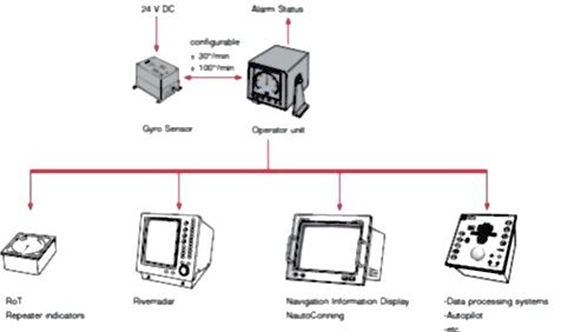
  23. Receive the weather fax and mark as required.
  24. If any routine/ commercial message is received, inform the master accordingly (depending on the content / priority of the message.)
  25. Continuously assess the state of visibility.
  26. Keep eye on state of seas, swell, wind, temperature, relative humidity etc.
  27. Check barometric pressure and compare it against normal pressure of the area vessel is plying.
  28. Look out for distress signal and those in distress.
  29. Look out for dangers to navigation like ice, derelict etc and prepare danger message.
  30. Retard/ advance clocks / calendar as instructed.
  31. Keep track of ballast exchange if in progress.
  32. Keep eyes on crew working on the deck stop any kind of unsafe practices.
  33. Follow the permit system and keep track of those involved, stop any kind of unsafe practices.
  34. Follow instructions pertaining to removal of anchor lashings.
  35. Give notices to Master, E/R (for example 1 hr notice), anchor party, officers, helmsman, look out man as instructed.
  36. Test controls prior arrival as per instructions, make all preparations for arrival port.
  37. Display lights, shapes as required, appropriate flags to be kept ready / hoisted as per local and international rules.
  38. Abide by all instructions for safely board pilot.
  39. Comply with all kind of procedures / check lists as per companyโ€™s SMS and additional precautions as per risk assessment.
  40. Call the Master as and when required as per Masterโ€™s standing orders, bridge order book or whenever in doubt.

Navigational Watch as an Officer in Restricted Visibility / Congested waters:

  1. Inform the Master: During restricted visibility, it is important that the master is on the bridge. The OOW must constantly assess the state of visibility and inform the master immediately, once Master is on bridge hand over the con to him.
  2. Inform E/R & reduction of speed: OOW should notify the engine room, later on the tachometer must be checked to ensure RPM is being reduced, bring down the ship to maneuvering RPM, in order to comply with COLREGS rule no 19. (Power Driver v/l must have engines ready for immediate maneuver).
  3. Visual Observance: Check all the targets visually, especially smaller targets that may not be picked up by radar.
  4. Change in bridge watch keeping level: It is important that enough man power is present on the bridge, additional officers and rating should be called on the bridge, lookout(s) must be posted at different locations on the ship, Master can be consulted regarding the deployment of look outs, check for any sounding signal from other vessels in the vicinity.
  5. Whistle: Ensure that the whistle is working properly by trying out all the whistlers start blowing the whistle below entering restricted visibility, as the rules applies to vessels navigating in or near the area of restricted visibility.
  6. Navigation Lights: Switch on the navigation lights if not already done, ensure all these lights are burning properly.
  7. Radar & ARPA: Switch on other radar, switch on the ARPA and start acquiring the targets, check AIS targets and compare data of both ARPA and AIS, adjust A/C rain & A/C sea as required.
  8. Hand steering: Revert to hand steering, switch on other steering pump if not done earlier.
  9. Stop works on deck: Stop any job which may prevent sound signal of other vessels to be heard properly. No one to be allowed on main deck, this is to prevent injury to personnel working on open deck in case collision / allusion (physical contact with fixed or floating objects.)
  10. Open Bridge Doors: Ensure that the bridge doors are kept open and is without any obstruction for easy bridge wing access.
  11. VHF: Ensure VHF channel 16 is switched on and is audible enough for all the safety related messages.
  12. Keeping record: Keep record of all activities on the bridge.
  13. Follow All Procedures: Follow all the important procedures as per SMS manual including compliance of any check list for restricted visibility, company instructions for bridge manning level must be complied with.Resting periods must be taken care, all precautions as per risk assessment to be fulfilled.
  14. COLREG Rule -19: Always comply with COLREG Rule -19, if necessary; navigate with extreme caution till risk of collision is over keel.
Coastal and congested waters:- (Including above points)
  1. The largest scale chart on board, suitable for the area and corrected with the latest available information, shall be used. Fixes shall be taken at frequent intervals, and shall be carried out by more than one method whenever circumstances allow. When using ECDIS, appropriate usage code (scale) electronic navigational charts shall be used and the shipโ€™s position shall be checked by an independent means of position fixing at appropriate intervals.
  2. The officer in charge of the navigational watch shall positively identify all relevant navigation marks.

Taking over a watch at sea in good weather:

  1. Be on watch about 15 min before, at night time it helps to adjust the night vision.
  2. Read and sign any orders from master in night order book/ bridge order book, check for any other verbal instructions by the Master / mate.
  3. Inspect all the charts likely to be used in the watch for the following:-
    • Check courses to be steered and distances marked on the chart, also check the courses and distances as per the passage plan for the voyage.
    • Ensure the largest scale chart to be used.
    • Check courses are plotted clear of dangers to surface navigation.
    • Check the no go areas, mark them if not done.
    • Check the unit of depth and that the courses are plotted clear of shallows in accordance with companyโ€™s UKC policy. Info regarding draft & display to be available on the bridge.
    • Check estimated time for next alteration of course.
    • Check wheel over positions, abort points & contingency anchorages.
    • Check info related to parallel indexing.
    • Check for land / island on the chart, check radar conspicuous objects, check for approx.. time for the land fall on the radar.
    • Check the nav marks and their characteristics, sector light etc, check general direction of buoyage system.
    • Check the charts to find info regarding geodetic datum, geodetic datum may be unknowns and so significant to surface navigation.
    • Check if any reporting to be done by SRS / VTS.
    • Check for any instructions marked by master regarding notices to E/R, removing anchor lashings etc.
    • Read all relevant notes on the chart:- local magnetic anomalies, correct, submarine exercise areas, firing zones, PSSA, Marpol special areas, information pertaining to offshore installations, sand waves etc.
    • Check the source data, very old survey may be unreliable for the soundings.
    • Check the T & P notices relevant to the chart.
    • Check if any low pressure marked on the chart (including forecast for that low.)
    • Check if clocks/ calendar to be advanced.
    • Refer to routeing chart for all the climatological info, check normal atmospheric pressure for the area where the vessel is navigating.
    • Check last position plotted and means of position fixing, always check the position plotting interval, it should be as per Masterโ€™s / companyโ€™s instructions.
    • Check tidal info by means of tide tables, tidal stream atlast & tidal diamonds.
  4. Ensure all the relevant publications are available for use.
  5. Read and sigh the navigation & meteorological warnings received on EGC, navtex, check if any information to relevant to own vessel.
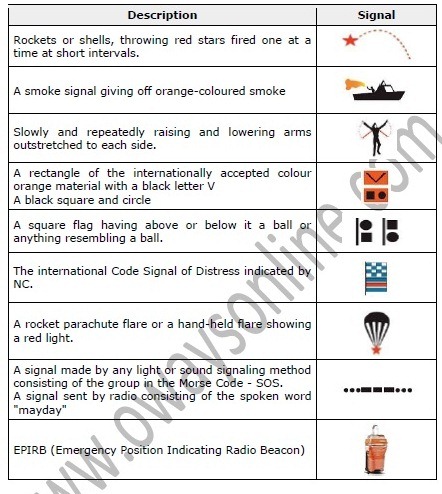
  6. Check the updates related to piracy, especially when plying in pirate infested area/ high risk area.
  7. Check the weather fax received during previous watch, check if any information is relevant to own vessel, any weather fax to be received in the watch (time & freq. as per ALRS.)
  8. Check if any commercial message is received and if Master informed.
  9. Check the state of visibility. Check the manning level of the bridge is as per companyโ€™s instructions. Manning level may be there for weather conditions.
  10. Ensure watch keeping, ratings are fit for watch, if sole look out, OOW must know how to call them just in case.
  11. Understand the traffic situation, consult the outgoing OOW but must verify visually, also by means binoculars and radar, check ARPA info some targets may have to be acquired if not done by outgoing OOW, always check the manning level of the bridge is as per companyโ€™s instructions for traffic situation.
  12. Check CPA/ TCPA limits on ARPA, true vector/ relative vector.
  13. Check ARPA is sea stabilized or ground stabilized.
  14. Check gyro & magnetic courses steered by auto pilot/ auto pilot, course might have altered due to traffic.
  15. If set was allowed, ask when it was allowed, check difference between gyro course and course made good.
  16. Check the tachometer & note down RPM, if CPP check the pitch of the propeller, if on main eng. On UMS mode, the duty eng. Must be known (duty eng roster is sometimes available on bridge).
  17. Check BNWAS to know the dormant period, confirm who the backup officer is.
  18. Ensure VHF is switch on and level of volume is audible enough.
  19. In case of selected ship (VOF), find if coded msg to be prepared.
  20. Check GPS is on which geodetic datum, confirm cross track limits.
  21. Check various settings on ECDIS.
  22. Check VDR/ S-VDR remote module for any alarm.
  23. Check auto pilot for the settings.
  24. Check the radar picture & all settings and all the targets on PPI.
  25. Identify the shore lights, some of vessels may not be visually identified due to shore light.
  26. Check targets on AIS, check info reg. draft & no. of crew is correct.
  27. Adjust all the dimmers as required.
  28. Check smoke detector panel. (no circuits to be kept isolated).
  29. Check status of automatic fire doors / water tight doors (if fitted).
  30. Check if any permit has been issued.
  31. Should inquire as to where crew is working (hold, tank etc.)
  32. Check nav lights are burning, confirm that it is matching with the status of nav light on the sentinel.
  33. Confirm if the compressed air is available for shipโ€™s whistle.
  34. Check that day light signaling lamp is working.
  35. Check operational condition of all nav & GMDSS equipment.
  36. Check if vessel is unusually trimmed or listed.
  37. Ask if any ballast exchange in progress and the planned sequence.
  38. Confirm if compass error established.
  39. Change echo sounder unit same as that on the chart. (if applicable)
  40. Master Gyro to be synchronized with all repeaters.
  41. If daytime check for any sign of visual damages to ship.
  42. Check wind, sea, swell etc.
  43. Check any deck cargo if loaded is missing.
  44. Check appropriate manual inputs for gyro if applicable.
  45. Once outgoing OOW has plotted the position, check the position & cross track error.
  46. Exchange courses, compass compasses.
  47. Check if any action to be taken to abide with COLREGS.
  48. Change settings on auto pilot if required.
  49. Change settings on radar if required.
  50. Comp checklist for taking over watch & relevant procedures in the SMS to be complied with.

P.S.:- Watch should not be taken over when course is being altered for traffic or in case of a way point.


Responsibility of the OOW in the following in circumstances:  Approaching a port

Responsibility of the OOW – Approaching a port:

  1. The Master and all navigational watchkeeping officers should, well before hand, thoroughly study the Sailing Directions (Often referred to as the Pilot Book) and the chart of the approaches to the port.
  2. The passage plan for arrival at the port should be prepared and kept handy so that the OOW would be able to monitor the navigation of the vessel at all times, even when the Master or the pilot is directing the process. This serves as a second check on the navigational safety of the ship.
  3. Communicate to the arrival port, by VHF, the ETA of the ship as and when instructed by the Master.
  4. Inform the Master at the time indicated by him.
  5. Give notice to the engine room at the time or charted position, as instructed by the Master. Inform Master when this has been done.
  6. Synchronise clocks of the bridge, the engine room and the auto-recorder of the bridge โ€“ ER telegraph.
  7. Call up a seaman to act as the bridge messenger.
  8. Change over to hand steering.
  9. Switch on the other steering motor also.
  10. Try out the steering system. After a long sea passage, it is necessary to try out the steering system about two hours before reaching confined waters. This done by:
  11. Changing over to hand steering and then putting the helm hardover to one side and then the other whilst using one steering motor.
  12. The same is then repeated while using the other steering motor.
  13. If the ship is fitted with electro-hydraulic steering system, it is necessary to try out the steering on the electric and the hydraulic systems separately.
  14. On ships fitted with a shaft generator, it would normally be necessary to inform the Engine Room before making sudden helm movements in order to prevent the generator from tripping off. If this happens, a diesel generator would automatically come on but, in the intervening couple of minutes, there would be no electric supply on the ship.
  15. Take in the log (retract log sensor).
  16. If daytime, keep flags ready โ€“ Red Ensign, courtesy flag, house flag, G, Q, H, etc.
  17. If night time, try out lights of Christmas Tree by switching them on momentarily.
  18. Try out pneumatic whistle and electric klaxon by giving a very short blast on each.
  19. Rig up the daylight signaling lamp and try it out on the mains and also the battery.
  20. Check communication system to the forward and aft stations and to the steering gear compartment.
  21. Have pilot ladder, life buoy with rope attached, heaving line and boat rope kept ready to be rigged (also flood light at night).
  22. Give adequate notice to the crew for coming on arrival stations.
  23. Electric power to be switched on to the windlass.
  24. Keep a record of all events and their timings in the Bridge Notebook. The important entries are to be copied into the Mates Logbook later on.
  25. Keep โ€˜Pilot information cardโ€™ ready for presentation to the pilot as soon as he enters the wheelhouse. This card contains the necessary information regarding the shipโ€™s particulars, navigational equipment, etc. in a standard format as given in the โ€˜Bridge Procedure Guideโ€™ published by the International Chamber of Shipping (ICS). This card is separate from, and in addition to, the โ€˜Wheel-house Posterโ€™ displayed in the wheelhouse.
  26. After ringing Stand-By Below (SBB) on the telegraph, the Master would try out the engine by going astern. An entry, โ€˜Engine tried out asternโ€™ should be made in the Bridge Notebook and later copied into the Shipโ€™s Logbook.
  27. Anti-pilferage watches to be arranged on deck to commence before arrival port.
  28. While going alongside, the pump room blowers should be switched off. This is to prevent sparks from the funnels of tugs used from being drawn into the pump room.

Taking over an anchor watch:-

  1. Read instructions from Master or Chief Officer.
  2. Check position of own vessel to ensure she is not dragging anchor.
  3. Check UKC, maintain VHF watch for instruction.
  4. Check distance of all other vesselโ€™s at anchorage. Look out for other vesselโ€™s dragging.
  5. Look out for vesselโ€™s approaching the anchorage area.
  6. Check the wind, sea, swell, continuously asses the visibility.
  7. Read & sign all met warningโ€™s & nav warnings received during watch.
  8. Establish compass error.
  9. Check SAT-C for routine messages notify Master accordingly.
  10. If bunker barge expected, keep look out for the same, if bunker barge is already alongside, keep track of all timings, ensure no sheen is visible, if so inform master.
  11. Keep look out for bunker overflow.
  12. Abide by all ISPS procedures, do not let unauthorized vessel(s) be alongside own vessel.
  13. Ensure appropriate lights & shapes are displayed.
  14. Ensure appropriate flags are hoisted/ lowered.
  15. Keep eye on crew working on deck, stop any kind of unsafe practices, abide by all international & local regs.
  16. Some boats/ launches may be expected carrying stores, crew, port officials, surveyors, auditors, inspectors, ship chandler etc., ensures these boats are tended to safety.
  17. Test the controls as instructed.
  18. Try out m/eng as instructed.
  19. Keep track of vessel berthing/ unberthing intended berth.
  20. Receive instructions from VTS/ Ports Control & notify all parties as instructed.
  21. Follow Masterโ€™s standing orders, bridge orders, call Master & doubt.
  22. Abide by companyโ€™s sms procedures, checklists and all additional measures as per Risk assessments.

Taking over a Navigational watch at sea, in restricted visibility / Taking over a navigational watch at night, while underway at sea:

  1. Know your Ship inside-out: An efficient navigating officer must know each and every aspect of his or her ship in order to prevent any kind of accident. From dimensions to the characteristics of the ships, the officer should know how the ship will behave under different circumstances. For restricted visibility situation, it is important that the OOW know the stopping distance of the ship at any particular RPM in order to control the ship during emergencies.
  2. Inform the Master:- During restricted visibility, it is important that the master is on the bridge. The OOW must call or inform the master regarding the navigating condition. The officer should also inform the engine room and ask the duty engineer to man the engine room in case it is on โ€œunmannedโ€ mode.
  3. Appoint Adequate Man Power: It is important that enough man power is present on the bridge in order to keep a close watch on the shipโ€™s course. Additional personnel must be appointed as โ€œlookoutโ€ at different locations on the ship. If there is traffic in the area, the officer must inform the engine room to have enough manpower so that the engine is also ready for immediate maneuvering.
  4. Keep the Fog Horn Ready:- Ensure that the fog horn is working properly for the restricted area. If the horn is air operated, drain the line prior to opening the air to the horn.
  5. Reduce Speed: Reduce the speed of the ship depending on the visibility level. If the visibility is less, bring down the ship to maneuvering RPM.
  6. Ensure Navigation Equipment and Light Are Working Properly: Ensure that all important navigating equipment and navigation lights are working properly during restricted visibility. The OOW must ensure that the navigation charts are properly checked for correct routeing and a good radar watch is carried out.
  7. Stop All Other Works: Though itโ€™s obvious, but never multi-task during restricted visibility even if there are more than sufficient people present on the bridge. Also stop all other deck work and order the crew to go to their respective rooms. This is to prevent injury to personnel working on open deck in case collision or grounding takes place.
  8. Open/Close Bridge Doors: Ensure that the bridge door is kept open and is without any obstruction for easy bridge wing access (Considering that the bridge wing is not enclosed). Also, in case of dust or sand storm, close all the bridge openings.
  9. Shut Ventilation: If the ship is passing through a sand storm, the ventilation fans and accommodation/ engine room ports must be closed to avoid sand particles from entering bridge, accommodation and engine room.
  10. Follow All Procedures: Follow all the important procedures for restricted visibility as mentioned in COLREG Rule -19.  Also monitor channel 16 in the radio and ensure that all important parameters of the ship such as latitude and longitude, time, speed etc. are noted in the log book.

Entries you need to make in the deck log book during a watch at sea.

  1. The position of the ship in Latitude and Longitude at different intervals.
  2. Time to be noted when Navigation marks are passed
  3. Time,  details and reason if there is any course alteration
  4. Meteorological and weather conditions including details of sea, swell etc along with the Beaufort scale that is prevalent
  5. Movement of the ship at sea including rolling, pitching, heaving etc
  6. Details of any abnormal condition
  7. Speed of the propulsion engine and speed of the ship in knots
  8. If involved in any kind of accidents like stranding, grounding etc. then details for the same
  9. Entry to be made if any physical contact with floating object or vessel is made
  10. Details of the distress signal received
  11. Entry for what kind of assistance is given to the distress signal sender
  12. If salvage operation is performed, complete details to be entered
  13. If there is an oil spill or other pollution accident, position of the ship, time and complete incident to be recorded
  14. Record of general watch routines performed including fire watch
  15. Time of arrival and departure and ETA.
  16. If berthing or anchoring is planned, time for the same to be noted.
  17. Heading and Compass error
  18. Drills and training carried out as well as inspections with regard to stowaways and security related measures
  19. Record of stores, fresh water etc received
  20. Also, any other entries as required by master, company, and administration should also be recorded in the log book without fail.

Additionally,

  • An original page should never be removed from the Log Book. This is because the Deck Log Book is used as official evidence in case of an unfortunate event
  • Only official designations and symbols to be used
  • If there is insufficient space in the Remarks section, insert a gummed paper strip instead of making the log book clumsy. This shouldnโ€™t be necessary as there is ideal space to record everything in precise language

Control Testing:

Within twelve hours before departure of the ship from port, following systems to be checked and tested:

  • Main steering gear and system
  • Auxiliary steering gear and system
  • The remote control systems of steering gear
  • The steering position indicator on the navigation bridge
  • The emergency power supply to one of the steering unit
  • The rudder angle indicators showing actual position of the rudder
  • Power failure alarms for the remote steering gear control system
  • Power unit failure alarms for the steering gear unit
  • Automatic isolating arrangements and other automatic equipment

Following listed procedure must be included along with the check and tests described above:

  1. The full movement of the rudder as per the required capabilities of the steering gear system present onboard.
  2. A visual inspection of all the linkages and connection in the steering gear.
  3. The means of communication between the steering gear room and navigational bridge must always be operational

Other Important requirements related to steering gear are:

  • A block diagram displaying the steering system, the changeover procedure from remote to local steering and steering gear power unit indicating the emergency supply unit must be clearly mentioned.
  • This diagram must be pasted in Navigation Bridge and steering gear compartment
  • All officers and crew concerned with the operation and maintenance of steering gear system must be familiar with changeover procedure from one to other system
  • Emergency steering drills to be carried out inn not more than three months period.
  • Date and time for the tests, checks and drills carried out in steering gear system must be recorded.

Procedure for testing of controls prior departure from port:

Steering Gear โ€“ Testing and Drills: Within twelve hours before departure of the ship from port, following systems to be checked and tested:

  • Main steering gear and system.
  • Auxiliary steering gear and system.
  • The remote control systems of steering gear.
  • The steering position indicator on the navigation bridge.
  • The emergency power supply to one of the steering unit.
  • The rudder angle indicators showing actual position of the rudder.
  • Power failure alarms for the remote steering gear control system.
  • Power unit failure alarms for the steering gear unit.
  • Automatic isolating arrangements and other automatic equipment.

Following listed procedure must be included along with the check and tests described above:

  1. The full movement of the rudder as per the required capabilities of the steering gear system present onboard.
  2. A visual inspection of all the linkages and connection in the steering gear.
  3. The means of communication between the steering gear room and navigational bridge must always be operational.

Other Important requirements related to steering gear are:

  • A block diagram displaying the steering system, the changeover procedure from remote to local steering and steering gear power unit indicating the emergency supply unit must be clearly mentioned.
  • This diagram must be pasted in Navigation Bridge and steering gear compartment
  • All officers and crew concerned with the operation and maintenance of steering gear system must be familiar with changeover procedure from one to other system
  • Emergency steering drills to be carried out inn not more than three months period.
  • Date and time for the tests, checks and drills carried out in steering gear system must be recorded.

Procedure for embarking a Pilot:

Procedures for pilotage – Embarkation & disembarkation:-

  • Deck Officer will be designated, who shall be responsible for the safe embarkation and disembarkation of the pilot.
  • He shall be responsible for verifying the safe condition, safe access and appropriate rigging of the pilot ladder / combination ladder (accommodation ladder) per local requirement and ensure that a heaving line and lighted life buoy is available at the point of embarkation or disembarkation.
  • He shall stay in contact with the bridge and escort the pilot to and from the bridge.
  • The Master shall further assure the safety of the pilot during embarking or disembarking by providing a good lee to the pilot boat.

Various occasions when you should call Master on the bridge while keeping navigation watch:

The Officer on Watch (OOW) when on duty is in charge of the shipโ€™s navigation and safety. While on the bridge, he is the representative of the shipโ€™s master and must carry out all the orders as put forth by the latter.

While navigating the ship, the officer in charge has to take independent decisions to ensure a smooth passage of the ship. However, every shipping company provides a list of situations, wherein the officer on watch must call the shipโ€™s master to the bridge to avoid any kind of danger for the ship.

These instructions are given in the shipboard operational procedures, and it is imperative for every OOW to follow them.

Below is the checklist of situations, wherein the officer on watch should call the shipโ€™s master:-

  • Danger to the ship because of traffic or movement of other ships
  • Danger to ship or shipโ€™s stability because of heavy weather
  • Malfunctioning of alarms or signalling equipment
  • On encountering restricted visibility
  • Difficulty in maintaining a proper course
  • Breakdown of propulsion system, steering gear, or machinery
  • Malfunctioning of radio equipment
  • During maneuvering
  • On sighting land or navigation mark that can turn out to be dangerous
  • Breakdown of essential navigational equipment
  • On encountering navigational hazards such as rocks, icebergs, or shipwrecks
  • Failure to sight land or navigation mark
  • Sudden change in sounding or readings at inappropriate time
  • On encountering suspicious ship or boat heading towards the ship
  • On receiving emergency or important message from nearby port or ship
  • On encountering any suspicious floating object in piracy affected area

Apart from the above mentioned situations, the officer in charge should always call the master in case of an emergency or when in doubt about a particular situation.

Once on the ship, the master would take the control of the ship. This has to be recorded in the shipโ€™s logbook.


Take over a bridge watch, during night and while navigating in piracy prone areas:

  1. Be on watch about 15 min before, at night time it helps to adjust the night vision.
  2. Read and sign any orders from master in night order book / bridge order book.
  3. Inspect all the charts likely to be used in the watch for the following:-
    1. Check courses to be steered and distances marked on the chart, also check the courses and distances as per the passage plan for the voyage.
    2. Ensure the largest scale chart to be used.
    3. Check courses are plotted clear of dangers to surface navigation.
    4. Check the no go areas, mark them if not done.
    5. Check the unit of depth and that the courses are plotted clear of shallows in accordance with companyโ€™s UKC policy. Info regarding draft & display to be available on the bridge.
    6. Check estimated time for next alteration of course.
    7. Check wheel over positions, abort points & contingency anchorages.
    8. Check info related to parallel indexing.
    9. Check for land/ island on the chart, check radar conspicuous objects, check for approx time for the land fall on the radar.
    10. Check the nav marks and their characteristics, sector light etc, check general direction of buoyage system.
    11. Check the charts to find info regarding geodetic datum, geodetic datum may be unknown and so significant to surface navigation.
    12. Check if any reporting to be done to SRS/ VTS.
    13. Check for any instructions marked by master regarding notices to E/R, removing anchor lashings etc.
    14. Read all relevant notes on the chart:- local magnetic anomalies, current, submarine exercise areas, firing zones, PSSA, Marpol special areas, information pertaining to offshore installations, sand waves etc.
    15. Check the source data, very old survey may be unreliable for the soundings.
    16. Check the T & P notices relevant to the chart.
    17. Check if any low pressure marked on the chart. (including forecast for that low.)
    18. Check if clocks / calendar to be advanced.
    19. Refer to the routeing chart for all the climatological infos, check the normal atmospheric pressure for the area where the vessel is navigating.
    20. Check last position plotted and means of position fixing fixing, always check the position plotting interval, it should be as per Masters / companyโ€™s instructions.
    21. Check tidal info by means of tide tables, tidal stream atlast & tidal diamonds.
  4. Ensure all the relevant publications are available for use.
  5. Read and sign the navigation & meteorological warnings rcvd on EGC, navtex, check if any information to relevant to own vessel.
  6. Check the updates related to piracy, especially when plying in pirate infested area/ high risk area.
  7. Check the weather fax rcvd during previous watch, check if any information is relevant to own vessel, any weather fax to be recvd in the watch (time & freq as per ALRS.)
  8. Check if any commercial message is recvd and if Master informed.
  9. Check the state of visibility. Check the manning level of the bridge is as per companyโ€™s instructions. Manning level may be there for weather conditions.
  10. Ensure watch keeping ratings are fit for watch, if sole look out, OOW must know how to call them just in case.
  11. Understand the traffic situation, consult the outgoing OOW but must verify visually, also by means binoculars and radar, check ARPA info, some targets may have to be acquired if not done by outgoing OOW, always check the manning level of the bridge is as per companyโ€™s instructions for traffic situation.
  12. Check CPA/TCPA limits on ARPA, true vector / relative vector.
  13.  Check ARPA is sea stabilized or ground stabilized.
  14. Check gyro & magnetic courses steered by auto pilot / auto pilot, course might have altered due to traffic.
  15. If set was allowed, ask when it was allowed, check difference between gyro course and course made good.
  16. Check the tachometer & note down RPM, if CPP check the pitch of the propeller, if on main eng on UMS mode, the duty eng must be known, (duty eng roster is sometimes available on bridge)
  17. Check BNWAS to know the dormant period, confirm who is the back up officer.
  18. Ensure VHF is switched on and level of volume is audible enough.
  19. In case of selected ship (VOF), find if coded msg to be prepared.
  20. Check GPS is on which geodetic datum, confirm cross track limits.
  21. Check various settings on ECDIS.
  22. Check VDR/ S-VDR remote module for any alarm.
  23. Check auto pilot for the settings.
  24. Check the radar picture & all settings and all the targets on PPI.
  25. Identify the shore lights, some of vessels may not be visually identified due to shore light.
  26. Check targets on AIS, check info reg draft & no. of crew is correct.
  27. Adjust all the dimmers as required.
  28. Check smoke detector panel. (no circuits to be kept isolated)
  29. Check status of automatic fire doors / water tight doors (if fitted)
  30. Check if any permit has been issued.
  31. Should inquire as to where crew is working. (hold, tank etc).
  32. Check nav lights are burning, confirm that it is matching with the status of nav light on the sentinel.
  33. Confirm if the compressed air is available for shipโ€™s whistle.
  34. Check that day light signaling lamp is working.
  35. Check operational condition of all nav & GMDSS equipment.
  36. Check if vessel is unusually trimmed or listed.
  37. Ask if any ballast exchange in progress and the planned sequence.
  38. Confirm if compass error established.
  39. Change echo sounder unit same as that on the chart. (if applicable)
  40. Master Gyro to be synchronized with all repeaters.
  41. If daytime check for any sign of visual damages to ship.
  42. Check wind, sea, swell etc.
  43. Check any deck cargo if loaded is missing.
  44. Check appropriate manual inputs for gyro is applicable.
  45. Once outgoing OOW has plotted the position, check the position & cross track error.
  46. Exchange courses, compare compasses.
  47. Check if any action to be taken to abide with COLREGS.
  48. Change settings an auto pilot if required.
  49. Change settings on radar if required.
  50. Comp c/list for taking over watch & relevant procedures in the SMS to be complied with.

PS:- Watch should not be taken over when course is being altered for traffic or in case of a way point.


Duties of OOW:

As per the International Regulations for Preventing Collisions at Sea (COLREGS), the duties of the Officer on Watch (OOW) on a vessel include:

  • Navigational duties: The OOW is responsible for the safe navigation of the vessel, including maintaining a proper lookout, plotting the vessel’s position, monitoring the vessel’s movement, and ensuring that the vessel complies with all relevant regulations and laws.
  • Communications: The OOW is responsible for maintaining communication with other vessels, shore authorities, and the vessel’s crew. This includes monitoring radio traffic, responding to requests for information, and transmitting any necessary information.
  • Safety: The OOW is responsible for ensuring the safety of the vessel, the crew, and any other persons on board. This includes taking appropriate action to avoid collisions, grounding, or other accidents.
  • Security: The OOW is responsible for maintaining the security of the vessel, the crew, and any cargo on board. This includes monitoring the vessel for any security threats and taking appropriate action to address any potential security breaches.
  • Watchkeeping: The OOW is responsible for maintaining an appropriate watch schedule, ensuring that the vessel is properly manned at all times, and monitoring the performance of the vessel’s crew.
  • Emergency response: The OOW is responsible for responding to any emergency situations that may arise, including taking appropriate action to ensure the safety of the vessel, crew, and any other persons on board.
  • Record keeping: The OOW is responsible for maintaining accurate and complete records of the vessel’s position, movement, and other relevant information. This includes maintaining the vessel’s log book and other required documents.

Entries to be made in the radar Log at the end of your watch at sea:

  • A daily entry about the status of equipment.
  • Any problems picking up targets or interference, it is meant to track problems for the person who has to trouble shoot problems.
  • Maintenance of equipment.

Latitude 20ยฐ02′ N, how will you hoist flags?

To hoist flags to indicate the latitude of 20ยฐ02′ N, the following procedure can be followed:

  • Hoist the 2 flags representing the digits “2” and “0” on the flagstaff in that order, starting from the top. These flags are the numeral pennants 2 and 0.
  • Hoist the flag representing the letter “N” below the numeral pennants. This flag is the flag of the letter N in the International Code of Signals.
  • So the final configuration would be: Numeral pennant 2, numeral pennant 0, flag of the letter N.